
A gooseneck kettle improves pouring precision by giving you control over flow rate and exact water placement, and that control translates into more consistent extraction. The thin, curved spout lets you slow a pour to a thread or speed it up without splashing, and aim it at the center of the bed or in a spiral at will. The payoff shows up most in pour-over coffee and delicate teas, though it works best paired with a decent grinder.
TL;DR:
- Controlling pour speed and placement with a gooseneck kettle significantly reduces extraction variability by promoting even water distribution across grounds.
- Thin, slow jets from a gooseneck spout lead to more consistent extraction results across different pour heights compared to wider, faster streams.
- A quality grinder is generally more impactful on brew quality than an expensive kettle, since grind consistency influences extraction more than pour precision alone.
- Electric gooseneck kettles offer convenient temperature controls and presets, but stovetop models tend to last longer and are more mechanically simple.
- Proper maintenance, such as regular descaling and spout cleaning, is essential to keeping a gooseneck kettle performing reliably over time.
Table of Contents
- 1. The main benefits of brewing with a gooseneck kettle
- 2. The fluid dynamics behind a cleaner pour
- 3. Electric vs stovetop gooseneck kettles
- 4. Pouring techniques a gooseneck makes repeatable
- 5. Keeping your kettle reliable over time
- 6. Why this guidance holds up
- 7. Does a gooseneck kettle actually save energy?
- 8. What the research actually tells us to prioritize
- Try sample packs while you dial in your pour
- FAQ
- Sources
1. The main benefits of brewing with a gooseneck kettle
A gooseneck’s narrow spout and curved neck exist for one reason: to let you decide exactly where water lands and how fast it gets there. That single design choice produces a cluster of practical benefits.
- Precise flow-rate control. A thin jet lets you slow the pour to a trickle for delicate blooms or open it up for faster stage pours, something a wide-spout kettle simply cannot do without splashing.
- Targeted water placement. You can aim directly at the center of the bed during bloom, then shift to a spiral pattern for the main pour, controlling exactly which grounds get wetted first.
- More even extraction. Controlled placement spreads water across the grounds more evenly, which reduces the odds of channeling where water digs a path through the bed and leaves some grounds under-extracted.
- Adjustable agitation. Pour height and jet width change how much the stream disturbs the coffee bed, and a gooseneck lets you dial that agitation up or down deliberately rather than by accident.
- Better temperature targeting. Many electric gooseneck models include adjustable presets or thermometers, so you can hit the right range for the tea or coffee you’re brewing rather than guessing.
- Versatility across methods. The same kettle handles V60, Chemex, Kalita Wave, and loose-leaf tea, where a specific temperature window matters more than with coffee.
- Repeatable workflow. Once you find a pour rate and height that works, a gooseneck makes it easy to repeat the same motion brew after brew, which matters if you’re trying to replicate a cup you liked.
- A better second purchase than first. Community testing and forum consensus favor buying a quality grinder before an expensive kettle, since grind consistency affects extraction more than pour precision alone.
Pro Tip: Practice your pour over a sink with plain water before committing to a fresh bag of beans. You’ll learn your kettle’s flow characteristics without wasting coffee.
The grinder point deserves emphasis. A gooseneck kettle refines water delivery, but it cannot fix an inconsistent grind. If your budget forces a choice, a modest electric gooseneck paired with a proper burr grinder tends to outperform the reverse setup, according to community testing summarized by The Coffee Roundup.
2. The fluid dynamics behind a cleaner pour
The physics explain why pour control actually changes the cup rather than just looking more precise. When water leaves a spout as a falling stream, it initially travels in a smooth, unbroken column called a laminar jet. At some distance below the spout, that smooth column destabilizes and breaks apart into droplets. The point where this happens is called the breakup length, a term explained in detail in Barista Hustle’s research on the yo-yo pour.
Pouring near but slightly below the breakup length is ideal because it maximizes useful agitation in the coffee bed without flooding it with air bubbles from a stream that has already scattered into droplets. You can find this point for your own kettle by listening: a laminar stream pours almost silently, while a stream that has broken apart produces an audible splatter when it hits the water or grounds below.
Separate testing from BeanBench’s pour-rate experiments adds a second variable: jet thickness. In controlled brews using 10 grams of grounds and 150 grams of water at 95°C, a thick jet poured at 15 grams per second showed large swings in measured total dissolved solids depending on pour height, while a thinner jet at 5 grams per second stayed far more consistent regardless of height.
- A thick, fast jet is more forgiving of technique but more sensitive to how high you pour from.
- A thin, slow jet gives more consistent results across a range of heights, which is part of why gooseneck kettles default to narrow spouts.
- Increasing kettle-to-bed distance while reducing flow rate helps maximize mixing while keeping the stream laminar.
A thick jet’s extraction can swing noticeably based on pour height alone, while a thin jet stays far steadier across the same height range, according to BeanBench’s controlled pour experiments. That single finding is the clearest evidence that spout geometry, not just pouring skill, shapes your cup.
Translating this into practice: aim for a thin, controlled stream from a moderate height above the bed for most V60 and Kalita Wave brews, adjusting slightly higher if you want more agitation for a particular roast. For multi-stage pours, the same slow, steady jet makes stage pours repeatable between brews, since the water lands in the same place with the same force every time.
3. Electric vs stovetop gooseneck kettles
The choice between electric and stovetop comes down to how much you value convenience versus mechanical simplicity. Both can heat water to a target temperature, but they get there differently.
- Electric gooseneck kettles often include PID temperature controllers advertised at roughly ±1°F accuracy, programmable presets for different beverages, and hold functions that keep water at temperature while you set up your brew, according to specifications summarized by The Coffee Roundup.
- Stovetop gooseneck kettles have no electronics to fail, work on gas, electric, or induction cooktops depending on the model, and can hit the SCA-recommended 195 to 205°F range for coffee with the help of a separate thermometer.
- Longevity reports from community discussion suggest stovetop kettles can last a decade or more, while electric kettles tend to have shorter lifespans before parts wear out, though exact durations vary widely.
If your routine involves multiple brew methods and you want to set a precise number and walk away, electric wins on convenience. If you prefer fewer moving parts and a kettle that outlasts several electric models, stovetop is the steadier long-term bet. One practical note either way: water measured inside the kettle can read a few degrees higher than the water actually leaving the spout, so if you’re chasing a narrow temperature window, it helps to measure closer to the point of pouring or nudge your target slightly higher.
4. Pouring techniques a gooseneck makes repeatable
A gooseneck’s real advantage shows up in technique, where consistent water placement turns a vague recipe into a repeatable process.
- Bloom pour. Pour a small amount, roughly twice the weight of your grounds, directly over the center of the bed and let it sit for 30 to 45 seconds before continuing, which is a step covered in more depth in our pour-over workflow guide.
- Spiral pour. Move the kettle in slow, widening circles from the center outward to wet the grounds evenly, useful for flat-bottomed brewers like the Kalita Wave.
- Center pour. Keep the stream focused in the middle and let the bed’s natural movement spread the water outward, a technique that concentrates agitation and suits conical brewers like the V60.
- Pulse pour. Add water in distinct stages rather than one continuous stream, pausing between each pulse to let the bed drain partway, which gives you more control over total contact time.
Pro Tip: Find your kettle’s breakup length by pouring into an empty sink from increasing heights until you hear the stream start to splatter, then back off an inch. That height becomes your default pour distance.
For the Chemex, a slightly higher pour height and a steady spiral work well given the thicker filter and larger bed. For the V60, a lower, more deliberate center pour with occasional spiral passes tends to produce a cleaner drawdown.
5. Keeping your kettle reliable over time
A gooseneck kettle rewards basic upkeep, and neglecting it shows up quickly in slower heating or uneven pours.
- Descale every 4 to 6 weeks with a diluted vinegar or citric acid solution if you brew daily, more often in hard-water areas.
- Flush the spout after each use to prevent mineral buildup from narrowing the opening, which changes your flow rate over time.
- Avoid submerging electric kettle bases, and let any auto-shutoff feature finish its cycle rather than removing the kettle mid-heat.
- Set realistic expectations: a gooseneck kettle controls water delivery, not grind consistency or dosing accuracy. If your grind size is uneven, no pour technique fully compensates.
6. Why this guidance holds up
This guidance comes from pairing published fluid-dynamics research with the kind of daily pour-over practice that reveals which techniques actually hold up brew after brew. Our approach to small-batch roasting rests on the same principle: control over fewer variables produces a more consistent result, whether that’s roast batches or a pour. For readers testing pour technique at home, a range of roast profiles can help notice how water placement changes flavor across different beans.
7. Does a gooseneck kettle actually save energy?
A gooseneck kettle’s environmental footprint depends more on how you use it than on the spout shape itself. Electric kettles with precise temperature control can avoid the energy waste of bringing water to a full boil and then letting it cool back down to a brewing temperature, since you set the exact target you need. Boiling only the water you plan to use, rather than filling the kettle to capacity out of habit, cuts down on wasted energy regardless of kettle type.
Stovetop gooseneck kettles carry no standby power draw at all, since they only use energy while actively on a burner, while electric models may draw a small amount of power if left in a keep-warm or standby mode. Material choice also plays a role: stainless steel kettles tend to retain heat longer than thin-walled alternatives, meaning less reheating if you’re brewing multiple cups back to back. None of this makes one kettle style dramatically greener than another, but deliberate use, heating only what you need and choosing a well-insulated kettle, adds up over months of daily brewing.

8. What the research actually tells us to prioritize
The research points to a conclusion that runs against a lot of kettle marketing: the spout matters less than people think, and the grinder matters more. A thin, controllable jet helps you stay consistent, but the BeanBench data showing how much a thick jet’s extraction swings with height also shows that even a mediocre gooseneck beats a wide-spout kettle for repeatability. Conventional advice often frames the kettle as the upgrade that transforms your coffee. It’s really the upgrade that makes your other variables, grind size, dose, timing, easier to control consistently.
If you’re building a setup from scratch, buy the grinder first. A gooseneck kettle refines what a good grind already gives you; it doesn’t fix what a bad grind takes away. Once your grind is dialed in, the kettle becomes the tool that lets you actually notice and repeat small improvements in your pour.
— David P.
Try sample packs while you dial in your pour
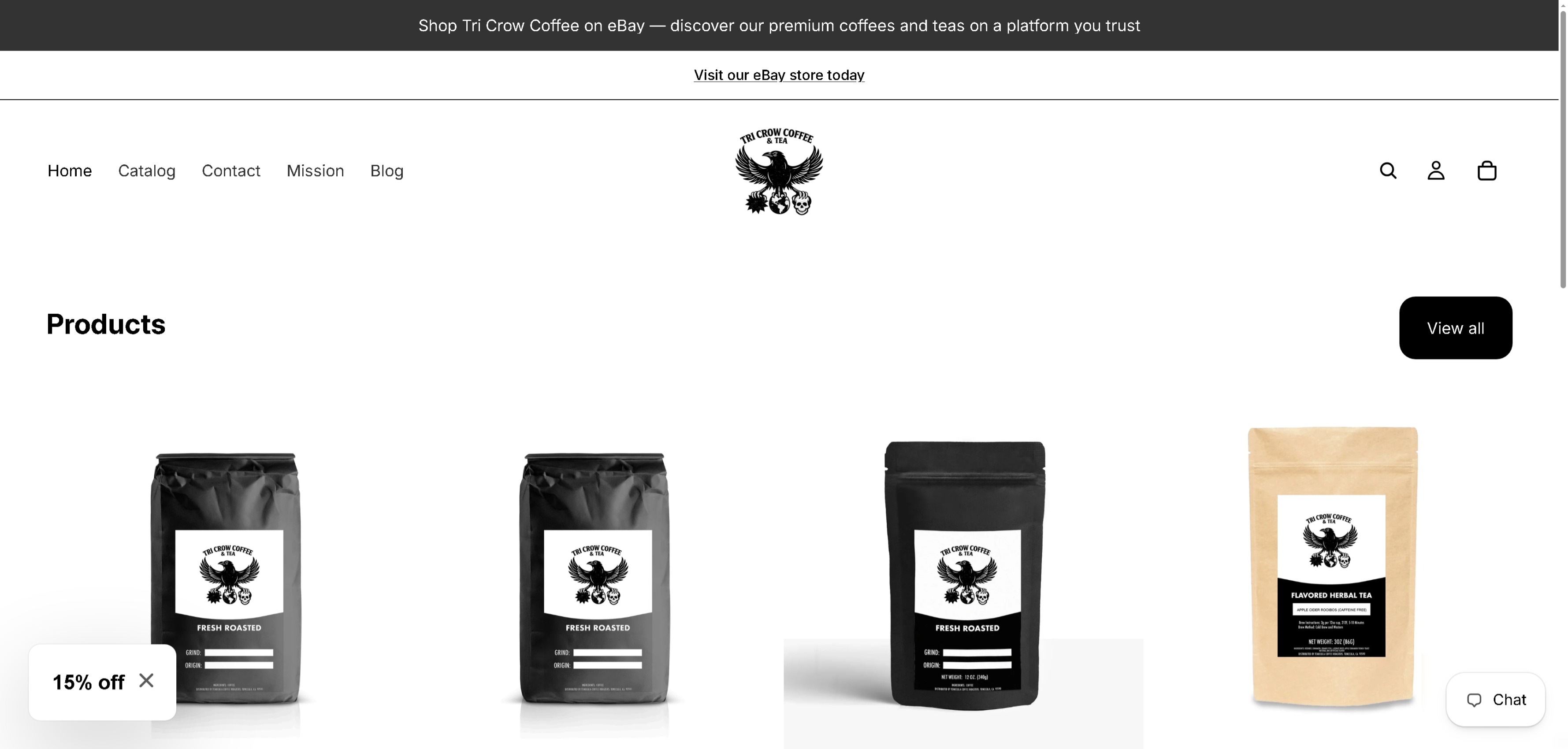
Learning a new pour technique goes faster when you’re tasting the difference it makes, and our sample packs are built for exactly that kind of experimenting. The Single Origin Favorites sample pack gives you six distinct beans to notice how pour height and spiral width change flavor from one origin to the next, while the Flavored Coffee Sample Pack lets you see how technique affects aroma-heavy blends like cinnamon hazelnut or mocha.
| Pack | Best for testing |
|---|---|
| Single Origin Favorites, 6 Coffee Samples | Comparing pour technique across different origins |
| Flavored Coffee Sample Pack, 6 Varieties | Noticing how pour affects aroma and sweetness |
| Tanzania Medium-Light Coffee | Fine-tuning pour height on a single, consistent roast |
Start with the single-origin coffee collection and find the bean that makes your new pour habit worth keeping.
FAQ
Does a gooseneck kettle make a difference?
Yes, it changes how precisely you control flow rate and water placement, which affects extraction consistency. The difference is most noticeable in pour-over coffee and delicate teas, where small changes in pour height and speed shift the final cup.
What is the healthiest kettle to boil water in?
Stainless steel kettles are widely considered a safe, durable choice since they don’t leach flavors or chemicals into water under normal use. Glass kettles are another common option for the same reason, though material safety depends more on build quality than on whether a kettle has a gooseneck spout.
Why a gooseneck kettle for pour over coffee?
A gooseneck spout produces a thin, controllable stream that lets you place water exactly where you want it on the coffee bed, supporting even wetting and reduced channeling. Research on pour rate and height shows this control has a measurable effect on extraction, especially with thicker streams, according to BeanBench’s pour experiments.
Why are gooseneck kettles more expensive?
Electric gooseneck kettles often include precise temperature controllers, presets, and hold functions that add to manufacturing cost compared to a basic kettle. Community buying guidance still recommends prioritizing a quality grinder first, since a modest gooseneck paired with good grind consistency tends to outperform an expensive kettle paired with an inconsistent grinder.
Sources
- The yo-yo pour - Barista Hustle
- Pour rate and agitation for pour-over: How flow, pour height, and swirling change the cup · BeanBench
- Best gooseneck kettle: 6 picks for every budget and brew style