
TL;DR:
- Artisan coffee is made through small-batch roasting, ethical sourcing, and handcrafted brewing, resulting in better flavor and sustainability. It connects drinkers to farmers, preserves environmental health, and deepens cultural traditions. Choosing artisan beans ensures freshness, fair wages, and support for sustainable farming practices.
Artisan coffee is defined by meticulous small-batch roasting, ethical sourcing, and handcrafted brewing that together produce a cup far beyond what commodity production can deliver. Why artisan coffee matters goes deeper than flavor. It connects the person drinking it to the farmer who grew it, the roaster who shaped it, and the cultural traditions that gave it meaning. Brands like Tri Crow Coffee build their entire identity around this chain of care, treating each batch as a deliberate act rather than a transaction.
Why artisan coffee matters: what sets it apart from regular coffee
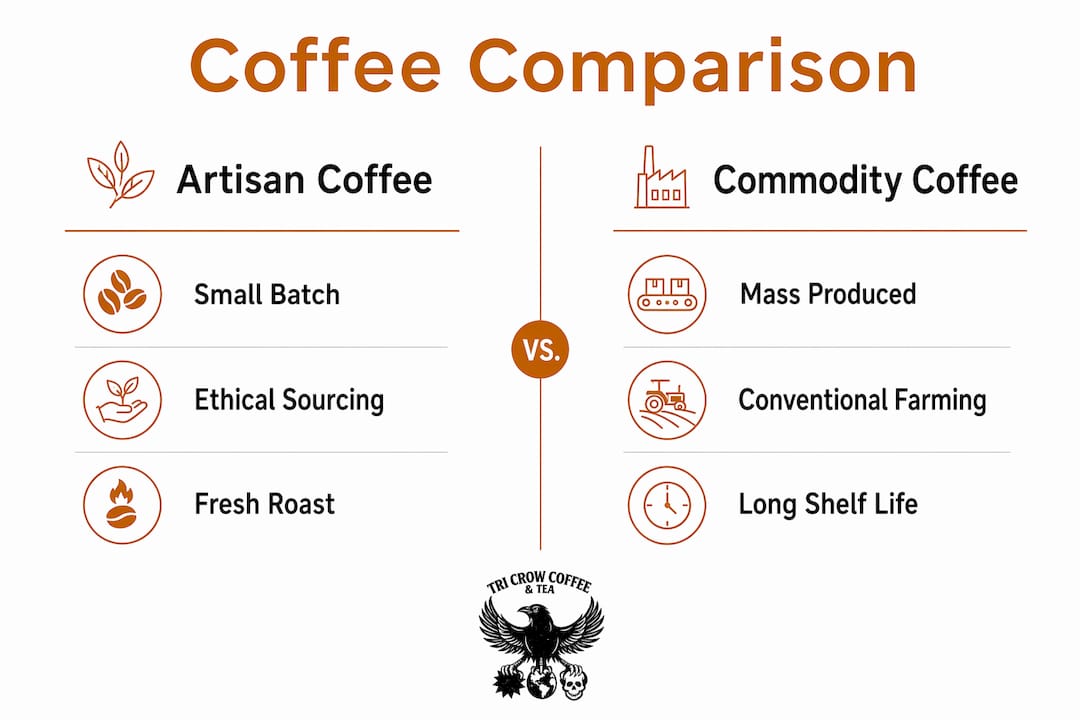
Artisan coffee and commodity coffee start from the same plant but arrive in your cup through entirely different processes. The gap between them is not marketing. It is measurable in flavor, freshness, and the conditions under which the coffee was grown.
Small-batch roasting gives roasters precise control over time and temperature for every batch. Roasters adjust heat and timing carefully to avoid bitterness or over-roasting, letting each bean’s natural character come through. Mass-produced coffee skips that precision in favor of volume, which flattens flavor and masks defects with dark roasting.
Processing methods also separate artisan coffee from the rest. Washed, natural, and honey processing each produce distinct flavor outcomes, and artisan producers manage these methods carefully to preserve and enhance the bean’s character. A washed Ethiopian bean tastes clean and bright. A naturally processed Yemeni bean tastes fruity and dense. That difference only survives when someone pays attention at every step.
Brewing is the final variable. Handcrafted methods like pour-over and siphon require a barista to control water temperature, grind size, and brew time with care. These techniques extract balanced, vibrant flavors that automated machines cannot replicate consistently. The machine does not know what the bean needs. The barista does.
Key distinctions between artisan and commodity coffee:
- Roast size: Small batches allow real-time adjustments; industrial roasters process hundreds of pounds at once with no room for correction.
- Bean sourcing: Artisan roasters source from specific farms or cooperatives; commodity buyers purchase blended lots from multiple anonymous origins.
- Processing transparency: Artisan producers document washed, natural, or honey processing; commodity coffee rarely discloses processing method.
- Brewing approach: Pour-over, siphon, and manual methods extract more from quality beans; automated drip machines are calibrated for average inputs.
- Shelf time: Artisan coffee sells quickly after roasting; commodity coffee often sits in warehouses for months before reaching a shelf.
Pro Tip: Buy artisan coffee with a roast date printed on the bag, not just a “best by” date. A roast date tells you exactly how fresh the coffee is. A “best by” date tells you almost nothing.
How does artisan coffee support sustainable and ethical practices?
Artisan coffee is one of the most direct ways a consumer can support fair wages and environmental health in farming communities. The connection is structural, not symbolic.
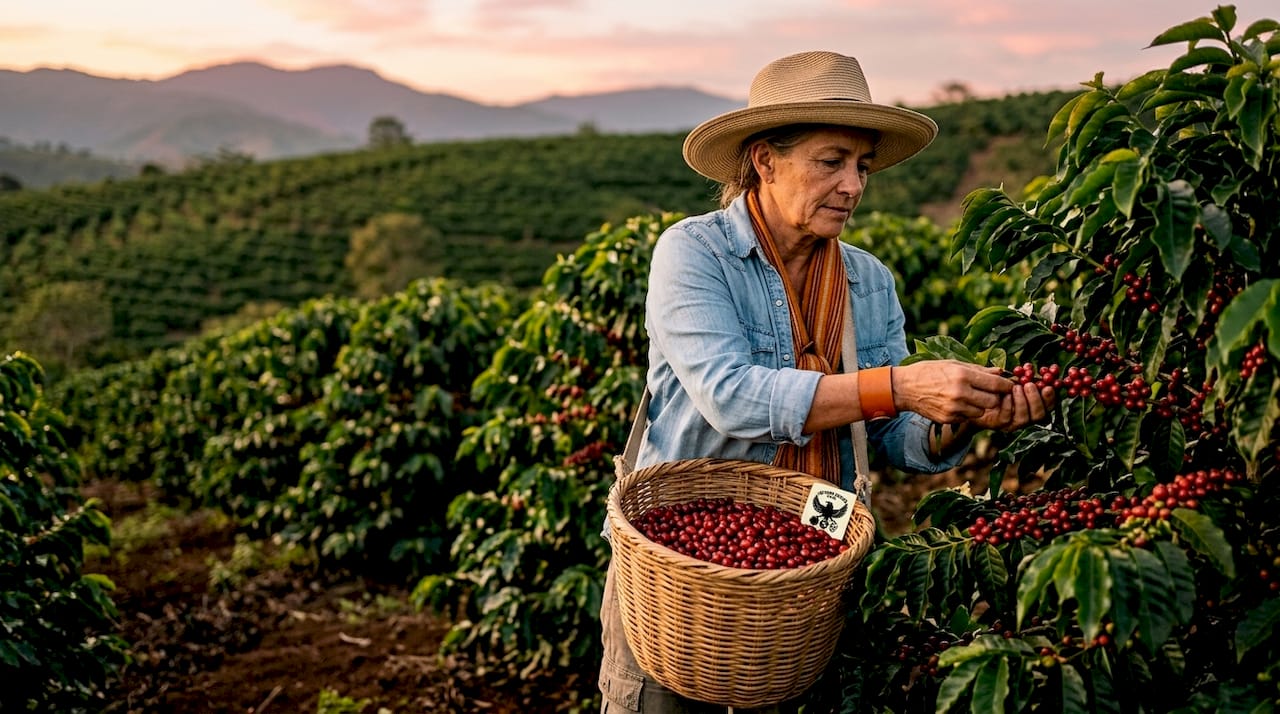
Artisan roasters build direct trade relationships with farmers, paying above-market prices for quality crops. This model protects the long-term viability of sustainable farming by giving growers a financial reason to maintain high standards rather than cut corners. When a farmer knows a roaster will pay more for exceptional beans, that farmer invests in better practices.
Sustainable farming methods are also a defining feature of artisan coffee origins. Farmers who grow for artisan markets avoid harmful chemicals that degrade soil and plant health over time. Organic and shade-grown practices protect local ecosystems, preserve biodiversity, and produce beans with richer, more complex flavor profiles. The environmental benefit and the flavor benefit are the same decision.
“Direct trade and artisan practices promote higher standards for environmental sustainability in coffee cultivation and processing. These standards align with global sustainability initiatives to reduce chemical usage and protect farming communities.”
The benefits extend beyond the farm. Ethical sourcing funds schools, infrastructure, and healthcare in coffee-growing regions. When you trace your coffee back to its origin, you see exactly where that money goes. Transparency is not a feature in artisan coffee. It is the baseline expectation.
Key sustainability benefits of artisan coffee:
- Fair compensation: Direct trade ensures farmers receive wages that reflect the quality of their work, not just commodity market prices.
- Soil health: Organic and low-chemical farming methods preserve soil fertility for future growing seasons.
- Biodiversity: Shade-grown coffee farms support bird populations and native plant species that industrial monocultures eliminate.
- Community investment: Higher farm income funds local education, healthcare, and infrastructure in producing regions.
- Supply chain accountability: Artisan roasters can name the farm, the farmer, and the processing method, creating full traceability.
What is the cultural significance of artisan coffee?
Coffee is one of the oldest shared rituals on earth. Artisan coffee does not invent that tradition. It deepens it by connecting modern drinkers to the specific places, people, and practices that give each cup its identity.
Coffee rituals exist on every inhabited continent, from the Ethiopian coffee ceremony to the Italian espresso bar to the Japanese kissaten. Each tradition treats coffee as a social act, not just a caffeine delivery system. Artisan coffee fits naturally into that lineage because it demands the same attention and intention those traditions always required.
The artisan coffee movement also creates physical community spaces. Specialty coffee shops function as cultural exchange hubs where farmers, roasters, baristas, and drinkers share knowledge and appreciation for the craft. A barista explaining the difference between a Kenyan AA and a Sumatran Mandheling is doing the same work as a sommelier describing wine. The conversation builds connection.
Storytelling is central to that connection. When a roaster shares the name of the farm, the altitude it sits at, and the family that tends it, the coffee becomes a story rather than a product. Readers who explore coffee origins quickly discover that geography shapes flavor in ways that no additive can replicate.
How artisan coffee builds cultural connection:
- Origin storytelling: Roasters share farm names, regions, and farmer profiles, giving each coffee a human identity.
- Craft education: Specialty shops teach brewing methods, flavor vocabulary, and sourcing ethics to curious drinkers.
- Global tradition: Artisan coffee draws on centuries of coffee culture from Ethiopia, Yemen, Colombia, Indonesia, and beyond.
- Shared ritual: The act of preparing and sharing a carefully brewed cup mirrors cultural practices that predate modern coffee commerce by hundreds of years.
- Artisan community: Farmers, roasters, baristas, and drinkers form a connected community built around respect for the craft.
What are the practical benefits of choosing artisan coffee?
The case for artisan coffee is not only cultural or ethical. The practical benefits show up in the cup every morning.
Freshness is the most immediate advantage. Small-batch roasting and fast turnover mean artisan coffee reaches the drinker days after roasting, not months. Freshly roasted coffee delivers a brighter, more vibrant cup with distinct flavor notes that stale coffee cannot produce. The difference is not subtle. It is the difference between a flat, papery cup and one that actually tastes like the origin it came from.
Organic and low-chemical farming also reduces the residue that ends up in the final cup. Commodity coffee often comes from farms that use pesticides and synthetic fertilizers at scale. Artisan coffee from farms using sustainable methods carries far less of that chemical load. The flavor benefit and the health benefit point in the same direction.
| Feature | Artisan coffee | Commodity coffee |
|---|---|---|
| Roast freshness | Days from roast to bag | Weeks to months in supply chain |
| Chemical exposure | Low, often organic or shade-grown | Higher, industrial farming common |
| Flavor complexity | High, origin-specific and process-driven | Low, blended and standardized |
| Farmer compensation | Above-market, direct trade | Commodity price, often below living wage |
| Traceability | Farm-level transparency | Anonymous blended lots |
Supporting artisan coffee also means supporting brands whose values align with yours. Tri Crow Coffee roasts in limited batches specifically to maintain control over flavor and consistency. That choice reflects a commitment to quality that commodity production structurally cannot make.
Pro Tip: Start with a coffee sample pack to compare origins and roast levels side by side. Tasting multiple coffees together trains your palate faster than drinking one bag at a time.
Key Takeaways
Artisan coffee matters because it connects craftsmanship, ethical sourcing, and cultural tradition into a single cup that commodity production cannot replicate.
| Point | Details |
|---|---|
| Small-batch roasting | Precise time and temperature control produces fresher, more flavorful coffee than industrial methods. |
| Direct trade ethics | Artisan roasters pay above-market prices to farmers, supporting fair wages and sustainable farming. |
| Organic farming benefits | Low-chemical growing methods protect soil health and reduce residue in the final cup. |
| Cultural connection | Artisan coffee links drinkers to global traditions, farm stories, and the craft of the people who made it. |
| Freshness advantage | Small batches sell quickly after roasting, delivering brighter flavor than commodity coffee sitting in a warehouse. |
What I’ve learned from years of paying attention to coffee
Most people come to artisan coffee through flavor and stay for the ethics. I came the other way. I started paying attention to sourcing and traceability first, and the flavor improvements followed as a natural consequence of caring about the right things.
The biggest shift I noticed was how artisan coffee changed what I expected from a cup. Once you taste a well-roasted single-origin bean prepared with care, commodity coffee stops tasting like coffee and starts tasting like a rough approximation of it. That is not snobbery. It is calibration.
My practical advice for anyone new to craft coffee: start with origin. Pick one country, learn what its coffees typically taste like, and compare two or three examples. Ethiopia and Colombia are good starting points because they produce dramatically different flavor profiles. That contrast teaches you more about coffee terroir than any amount of reading.
The ethical dimension matters too, and I think readers underestimate how directly their purchase affects a farming family. Direct trade is not a certification. It is a relationship. When a roaster can name the farm and the farmer, that relationship is real. When they cannot, it probably is not.
— David
Tri Crow Coffee: small-batch craft worth trying
Tri Crow Coffee roasts every blend in limited quantities to keep flavor and consistency exactly where they need to be. Each roast reflects the same values this article describes: careful sourcing, honest processing, and attention to what the bean actually needs.
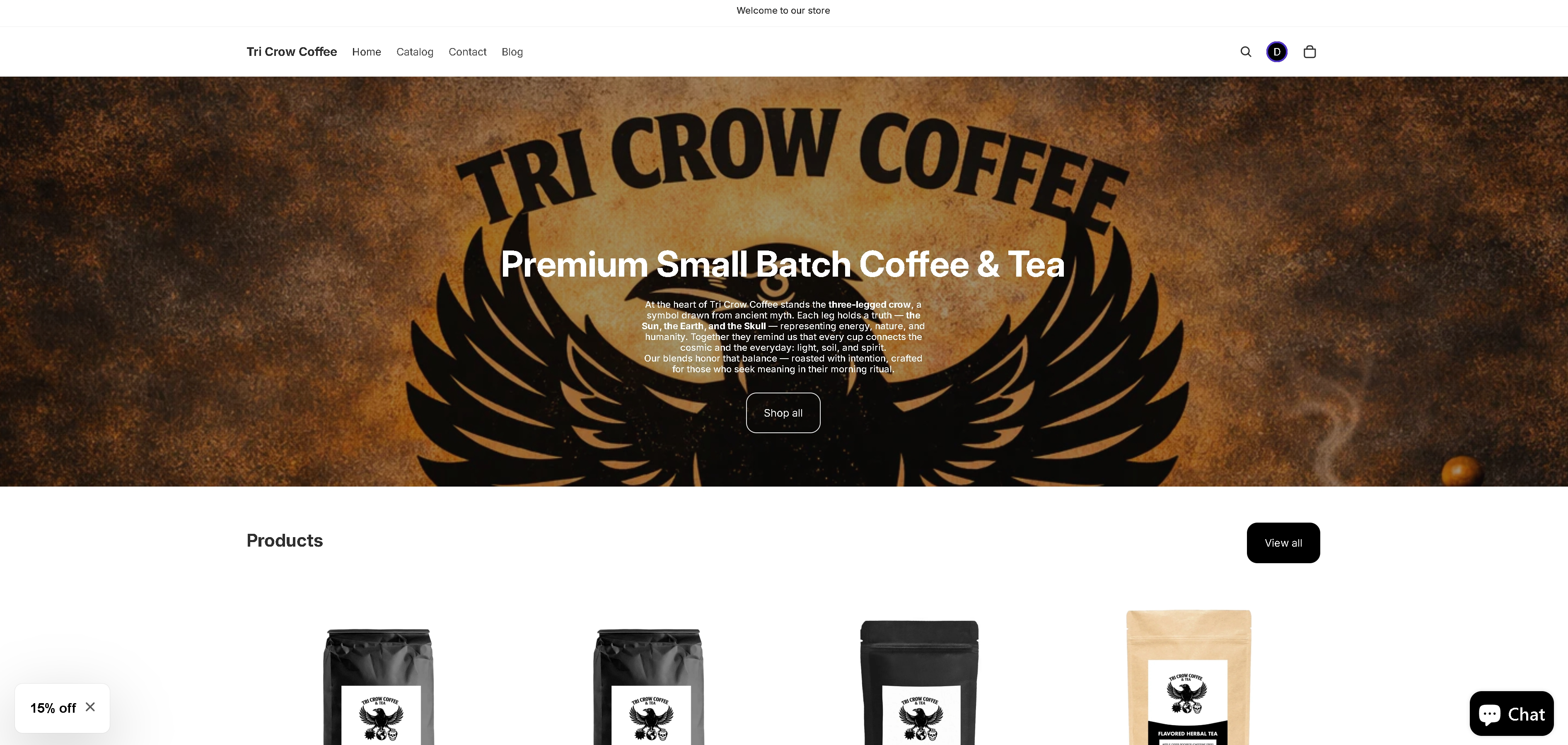
The 6-bean dark roast blend brings together six origins into a single, layered cup that shows what small-batch blending can do. For something brighter and more origin-specific, the Tanzania single-origin delivers the kind of clean, distinct flavor that only comes from careful sourcing and precise roasting. Both are available directly from Tri Crow Coffee, roasted to order and shipped fresh.
FAQ
What is artisan coffee?
Artisan coffee is coffee produced through small-batch roasting, careful processing, and ethical sourcing that prioritizes flavor quality and farmer welfare over volume and cost.
How does artisan coffee differ from regular coffee?
Artisan coffee uses precise roasting, handcrafted brewing methods like pour-over and siphon, and traceable single-farm sourcing. Commodity coffee relies on industrial roasting, automated brewing, and anonymous blended lots.
Is artisan coffee more sustainable?
Artisan coffee supports sustainability through direct trade relationships, organic farming practices, and supply chain transparency that reduce chemical use and ensure fair farmer compensation.
Why does freshness matter in artisan coffee?
Small-batch roasting and fast turnover mean artisan coffee reaches the drinker days after roasting. That freshness produces a brighter, more complex cup than coffee that has sat in a warehouse for months.
How do I choose a quality artisan coffee?
Look for a roast date on the bag, a named farm or region of origin, and a roaster who discloses their sourcing relationships. Those three details confirm the coffee is genuinely artisan rather than just marketed as such.
Recommended
- Why coffee origin matters: flavor, ethics, and sustainability – Tri Crow Coffee
- Coffee Rituals Worldwide: 8 Traditions Worth Exploring – Tri Crow Coffee
- Advantages of Small Batch Coffee: Flavor, Freshness, Ethics – Tri Crow Coffee
- Coffee trends 2026: ritual, quality, and sustainability – Tri Crow Coffee