
TL;DR:
- Decaf coffee contains at least 97% of its caffeine removed, with residual caffeine levels ranging from 2 to 15 milligrams per cup. Most health benefits from coffee come from plant compounds like chlorogenic acids and polyphenols, which decaf retains. Quality decaf is made using Swiss Water or CO2 extraction methods that preserve flavor and avoid synthetic solvents.
Decaf coffee is defined as coffee made from beans that have had at least 97% of their caffeine removed before roasting, per FDA standards. A standard 8oz cup of decaf contains roughly 2–5mg of caffeine, compared to 95mg in a regular cup. That difference matters for anyone managing caffeine sensitivity, pregnancy, anxiety, or sleep quality. What surprises most people is that decaf retains the vast majority of coffee’s flavor compounds and over 100 bioactive compounds, including chlorogenic and ferulic acids, meaning the health benefits follow the bean, not the buzz.
What is decaf coffee and how does it differ from regular coffee?
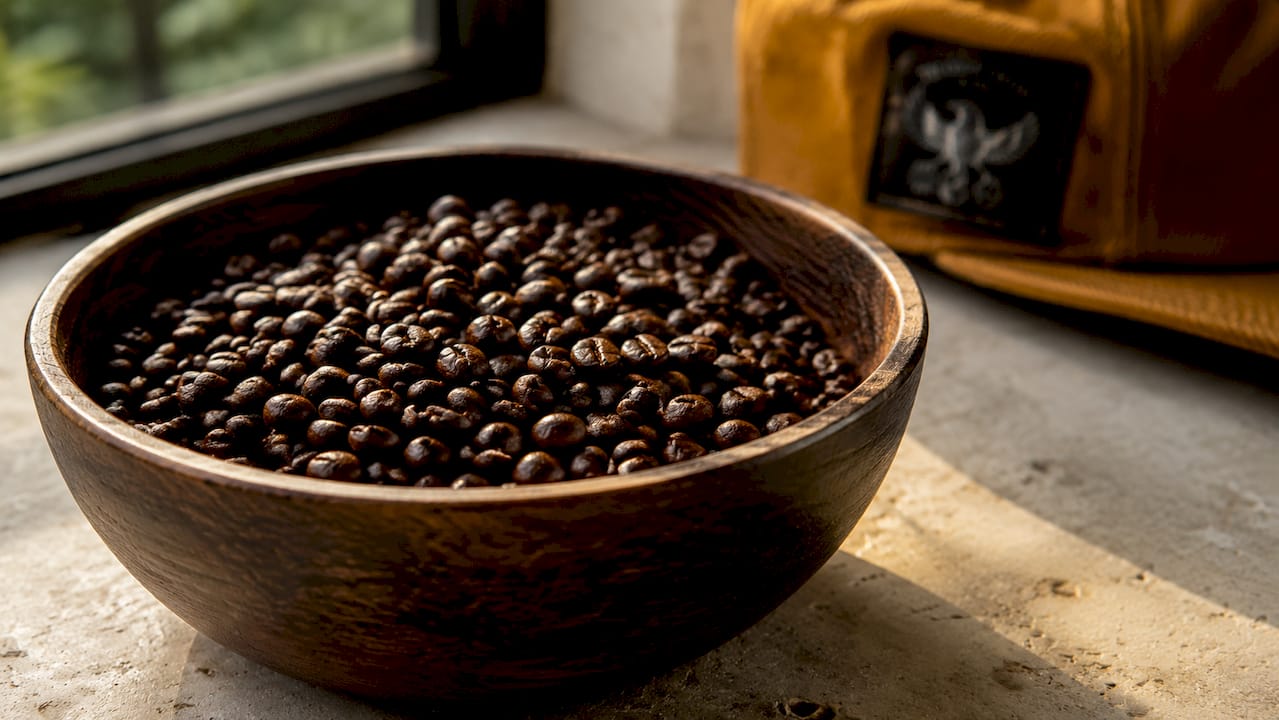
Decaf coffee is regular coffee at its core. The beans come from the same plants, grown in the same regions, and processed through the same harvesting methods as caffeinated coffee. The only difference is an additional step: caffeine extraction, which happens before roasting.
The FDA requires 97% caffeine removal for any coffee sold as decaf in the United States. The European Union sets a stricter threshold, requiring 99.9% removal. Japan applies a looser standard, allowing higher residual caffeine in products labeled decaf. These differences rarely affect the average cup in a meaningful way, but they explain why the same product can taste slightly different depending on where it was processed and certified.
Decaf is not caffeine-free. That distinction matters for people with extreme caffeine sensitivity. A person drinking three or four cups of decaf per day still consumes a measurable amount of caffeine, even if it is far below what a single regular cup delivers.
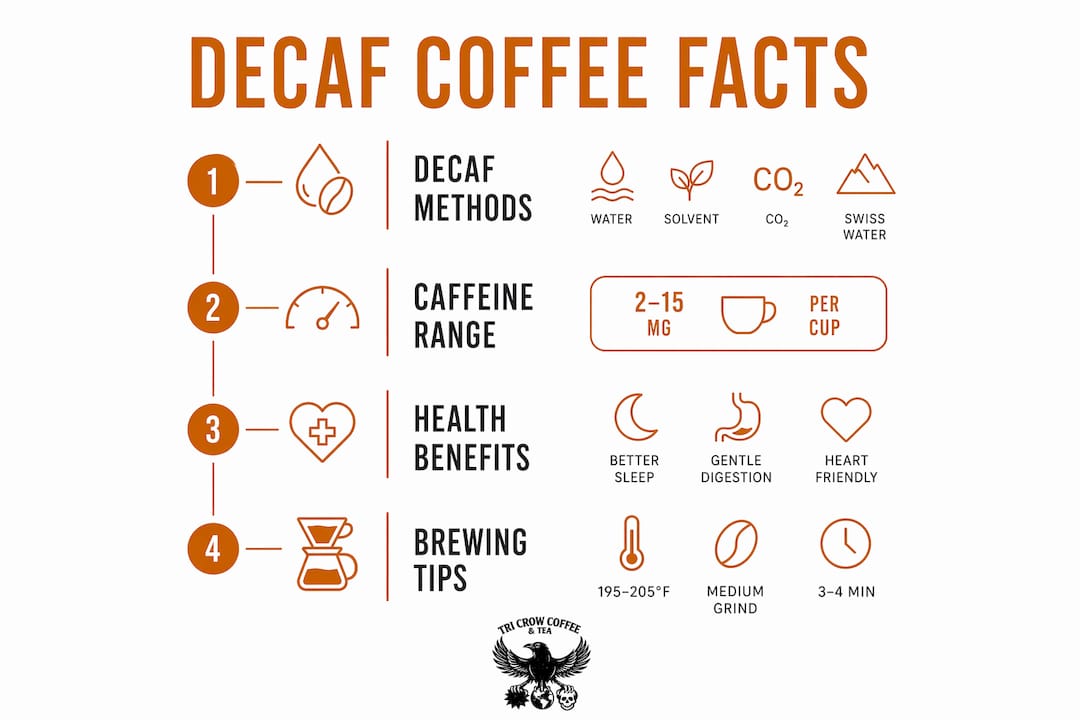
How is decaf coffee made? The three main methods
Caffeine is always removed from green, unroasted beans. Roasting after decaffeination protects the bean’s structure and flavor compounds. Attempting to remove caffeine post-roast would destroy the oils and aromatics that define a coffee’s character.
Three methods dominate the industry:
- Swiss Water Process: This chemical-free method uses hot water and a carbon filter to draw caffeine out of the beans. It removes 99.9% of caffeine while preserving most flavor compounds. It is the preferred method for organic and specialty roasters because no synthetic solvents touch the beans. The tradeoff is cost. Swiss Water processing takes longer and costs more, which shows up in the price of the final bag.
- CO2 extraction: Liquid carbon dioxide acts as a solvent under high pressure, selectively binding to caffeine molecules while leaving flavor compounds intact. This method produces some of the cleanest-tasting decaf available. It is also the most expensive process, which is why it appears mostly in premium specialty decaf.
- Solvent-based methods: Methylene chloride or ethyl acetate is used to bind and remove caffeine from the beans. These methods meet the FDA’s 97% threshold and are considered safe. The FDA limits methylene chloride residues to 10 parts per million, a level well below any threshold shown to cause harm in studies. Ethyl acetate is sometimes marketed as “natural” because it occurs in fruit, though commercial versions are typically synthesized.
Pro Tip: When buying decaf, look for “Swiss Water Process” or “CO2 extracted” on the label. These methods preserve the most flavor and avoid synthetic solvents entirely.
The industry is moving toward chemical-free methods. Specialty decaf has evolved to the point where it competes with regular coffee in quality competitions. Swiss Water and CO2 extraction are now the preferred choices for roasters who care about origin flavor.
How much caffeine does decaf coffee actually contain?
Decaf is not zero caffeine. Caffeine in decaf ranges from 2–15mg per cup, depending on several variables. That range is wide enough to matter for highly sensitive individuals.
| Beverage | Caffeine per 8oz cup |
|---|---|
| Regular coffee | ~95mg |
| Decaf coffee | 2–15mg |
| Black tea | 40–70mg |
| Green tea | 20–45mg |
| Cola soft drink | 20–40mg |
Three factors drive the variation within decaf:
Roast level: Lighter roasts retain slightly more caffeine than dark roasts because caffeine degrades with heat. A light-roast decaf may sit closer to the 15mg end of the range.
Brew ratio and method: A longer extraction or higher coffee-to-water ratio pulls more caffeine into the cup. Espresso-style brewing concentrates everything, including residual caffeine.
Bean variety and origin: Robusta beans naturally contain more caffeine than Arabica. A decaf made from Robusta starts with a higher caffeine baseline, so even after 97% removal, more remains. Understanding coffee bean types and origins helps you predict what ends up in your cup.
For most people, 2–15mg per cup is negligible. For pregnant people, those with anxiety disorders, or anyone prescribed medications that interact with caffeine, even that small amount deserves attention.
Are decaf coffee health benefits similar to regular coffee?
The short answer is yes, and the reason is worth understanding. Most of coffee’s long-term health benefits come from polyphenols and other plant compounds, not from caffeine itself. Decaf retains those compounds in meaningful quantities.
Chlorogenic acids are the primary antioxidants in coffee. They are linked to reduced inflammation, lower blood sugar response, and a reduced risk of type 2 diabetes. Ferulic acid, another polyphenol present in decaf, supports cardiovascular health. These compounds survive the decaffeination process and the roasting process. You can read more about coffee’s science-backed benefits to see how these compounds work in the body.
“Decaf coffee beverages offer most long-term benefits of caffeinated versions because benefits stem largely from non-caffeine plant compounds. The evidence suggests that people who cannot tolerate caffeine do not have to give up the health advantages of regular coffee consumption.” — Harvard T.H. Chan School of Public Health
Common decaf health benefits supported by research include:
- Reduced risk of type 2 diabetes through chlorogenic acid activity
- Lower inflammation markers associated with heart disease
- Liver protection linked to regular coffee consumption in general
- Antioxidant activity that counters oxidative stress
One concern worth addressing directly: digestive discomfort. Many people assume decaf is easier on the stomach because it lacks caffeine. Natural acids in coffee cause most digestive discomfort, not caffeine. Decaf and regular coffee share the same acid profile, so switching to decaf does not automatically solve acid reflux or stomach sensitivity. Cold brew or low-acid roasts are more effective for that purpose.
How to choose and enjoy decaf coffee options
Choosing a quality decaf starts with the decaffeination method. Swiss Water and CO2 extracted decafs preserve origin flavor best. If you care about tasting the difference between a Guatemalan and an Ethiopian bean, those methods matter. Solvent-based decafs are safe and often cheaper, but they can mute the more delicate flavor notes.
Here is a practical framework for selecting decaf:
- Check the decaffeination method. Look for it on the bag. If it is not listed, the roaster is not proud of it.
- Match the roast to your taste. Dark roasts produce a bolder, lower-acid cup. Light roasts offer more fruit and floral notes but may have slightly more residual caffeine.
- Consider your brewing method. A French press amplifies body and oils. Pour-over highlights clarity and origin character. Both work well with quality decaf.
- Think about acidity. If you have a sensitive stomach, look for beans labeled low-acid or processed using washed methods, which tend to produce a cleaner, brighter cup with less heavy acidity.
- Buy from roasters who disclose sourcing. Specialty decaf roasters list the farm, region, and processing method. That transparency signals quality.
Pro Tip: Store decaf in an airtight container away from light and heat. Decaf beans are slightly more porous after processing and go stale faster than regular coffee.
Pregnant people and those with anxiety or heart conditions should treat decaf as a low-caffeine option, not a caffeine-free one. For most others, decaf is a practical way to enjoy coffee throughout the day without disrupting sleep or increasing heart rate.
Key takeaways
Decaf coffee retains most of regular coffee’s health benefits because those benefits come from polyphenols and antioxidants, not caffeine.
| Point | Details |
|---|---|
| FDA caffeine standard | Decaf must have at least 97% of caffeine removed to be labeled as such in the U.S. |
| Residual caffeine range | A cup of decaf contains 2–15mg of caffeine, not zero. |
| Best decaffeination methods | Swiss Water Process and CO2 extraction preserve the most flavor and avoid synthetic solvents. |
| Health benefits are retained | Chlorogenic acids and polyphenols in decaf support heart health, blood sugar regulation, and antioxidant activity. |
| Acidity, not caffeine, causes stomach issues | Switching to decaf does not fix acid reflux. Low-acid roasts or cold brew are more effective solutions. |
Why decaf deserves more credit than it gets
Decaf spent decades as the coffee world’s afterthought. Roasters used lower-grade beans for it, assuming the decaffeination process would mask any flaws. That assumption was wrong, and the industry has largely corrected it.
What I have seen shift in recent years is a genuine commitment to decaf as a craft product. Roasters now source single-origin beans specifically for decaf programs. Swiss Water and CO2 extraction have made it possible to taste the difference between a Kenyan and a Colombian decaf, which was nearly impossible with older solvent methods.
The biggest misconception I still hear is that decaf is for people who do not really like coffee. The opposite is true. Decaf drinkers often care deeply about flavor because they have removed the stimulant variable entirely. They are drinking it for the taste alone. That is a more demanding standard, not a lesser one.
If you have avoided decaf because you assumed it would taste flat or chemical, the specialty decaf available now would change your mind. The gap between a well-made decaf and a regular coffee of the same origin is smaller than most people expect.
— David
Tri Crow Coffee’s approach to intentional brewing
Readers who want to put this knowledge into practice will find a natural starting point at Tri Crow Coffee.
Tri Crow Coffee roasts in small batches to maintain control over flavor at every stage. The 6 Bean Dark Roast is a house blend built for depth and consistency, a strong reference point for anyone exploring what a well-crafted roast can deliver. For those who want to sample across flavor profiles before committing to a full bag, the best sellers sample pack offers six varieties in 2oz portions. If you prefer something beyond coffee entirely, the artisan tea collection offers a thoughtful alternative for low-caffeine moments.
FAQ
What does decaf mean on a coffee label?
Decaf means the coffee beans have had at least 97% of their caffeine removed, per FDA standards. The resulting cup typically contains 2–15mg of caffeine rather than the 80–100mg found in regular coffee.
Is decaf coffee healthy to drink daily?
Decaf coffee is healthy for most people when consumed daily. It retains the chlorogenic acids and polyphenols linked to reduced risk of type 2 diabetes, heart disease, and inflammation.
Does decaf coffee still have caffeine?
Yes. Decaf coffee contains 2–15mg of caffeine per 8oz cup. It is not caffeine-free, which matters for pregnant people, those with anxiety, or anyone highly sensitive to caffeine.
What is the Swiss Water Process?
The Swiss Water Process is a chemical-free decaffeination method that uses hot water and a carbon filter to remove 99.9% of caffeine while preserving the bean’s flavor compounds. It is the preferred method for organic and specialty decaf.
Why does decaf coffee sometimes upset my stomach?
Stomach discomfort from coffee is caused by natural acids in the bean, not by caffeine or the decaffeination process. Switching to decaf does not reduce acidity. Low-acid roasts or cold brew preparation are more effective for sensitive stomachs.