
TL;DR:
- Choosing the right tea involves matching its oxidation level, leaf quality, and brewing method to personal taste and occasion.
- High-quality teas feature whole leaves, consistent color, and pleasant aromas, with a lingering huigan indicating good processing.
Tea selection is the practice of matching tea type, leaf quality, flavor profile, and brewing method to your personal taste and occasion. Get any one of those four factors wrong, and even a premium leaf will disappoint. Get them right, and a single cup becomes a ritual worth repeating. This guide walks you through how to select tea with confidence, from understanding oxidation levels and reading leaf quality to dialing in water temperature and building a collection that fits your life.
What are the main types of tea and how do they differ?
The six core tea categories are white, green, oolong, black, pu-erh, and herbal infusions. Each comes from the same Camellia sinensis plant, except herbal infusions, and each is defined primarily by its oxidation level. Oxidation is the chemical process that darkens the leaf and shifts its flavor from fresh and vegetal to malty and earthy.
Here is how each category sits on that spectrum:
- White tea (0–15% oxidation): delicate, floral, lightly sweet. Best for mornings when you want clarity without intensity.
- Green tea (0–10% oxidation): grassy, vegetal, sometimes nutty. Suits drinkers who prefer clean, bright flavors.
- Oolong (15–85% oxidation): the widest range of any category, from floral and creamy to roasted and fruity. High mountain oolongs from Taiwan are a standout example.
- Black tea (100% oxidation): malty, bold, sometimes brisk. The natural base for Earl Grey and milk teas.
- Pu-erh (fermented): earthy, woody, and complex. Aged versions develop deep, almost forest-floor depth.
- Herbal infusions: caffeine-free blends of flowers, roots, and botanicals. Flower and herbal infusions suit casual drinkers who want flavor without caffeine, but always check the ingredient list to confirm you are getting real botanicals, not artificial flavorings.
| Tea type | Oxidation level | Flavor profile | Caffeine level |
|---|---|---|---|
| White | 0–15% | Floral, sweet, delicate | Very low |
| Green | 0–10% | Vegetal, grassy, nutty | Low to medium |
| Oolong | 15–85% | Floral to roasted, fruity | Medium |
| Black | 100% | Malty, bold, brisk | High |
| Pu-erh | Fermented | Earthy, woody, complex | Medium to high |
| Herbal | None | Varies widely | None |
Understanding this table is the first step in any tea blend selection. Once you know where a tea sits on the oxidation scale, its flavor and caffeine level become predictable.
How to evaluate tea leaf quality and flavor characteristics
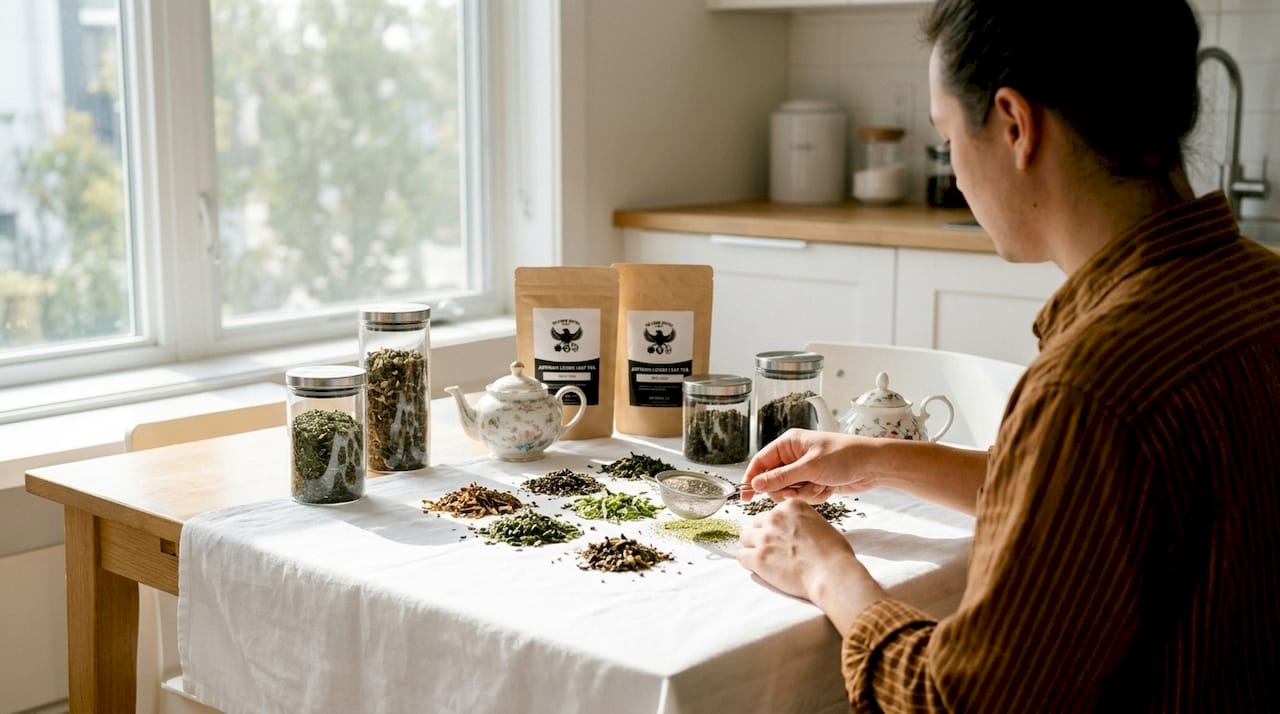
Leaf appearance is the fastest quality signal you have before brewing. Whole or large leaves indicate better quality than excessive dust or broken fragments. Dust and fannings are byproducts of processing and release tannins faster, which often means more bitterness and less complexity in the cup.
Look for these visual cues when buying loose leaf tea:
- Color consistency: green teas should look vibrant, not yellowed or brown at the edges.
- Leaf integrity: whole or gently twisted leaves hold flavor compounds better than crumbled pieces.
- Dry aroma: fresh tea smells clean and characteristic of its type. A musty or flat smell signals age or poor storage.
- Wet leaf aroma: after the first steep, the expanded leaf should release a clear, pleasant scent. Off-notes like mildew or sourness mean the tea was stored poorly.
Professional sensory evaluation goes further than casual sniffing. Trained tasters use a structured protocol that scores aroma, body, astringency, and aftertaste. One key marker is huigan, the returning sweetness you feel at the back of the throat after swallowing. High-quality teas produce huigan lasting 30 or more seconds. That lingering sweetness is a reliable sign of well-grown, well-processed leaf.
| Quality indicator | What to look for | Red flag |
|---|---|---|
| Leaf appearance | Whole, intact leaves | Excessive dust or fragments |
| Dry aroma | Clean, type-appropriate scent | Musty, flat, or sour smell |
| Wet leaf aroma | Clear, pleasant after steeping | Mildew or off-notes |
| Aftertaste (huigan) | Sweetness lasting 30+ seconds | Flat or bitter finish |
A 2025 sensory study found that neutral descriptive language like “floral,” “sweet,” or “vegetal” helps tasters identify flavor components far more accurately than emotional words like “pleasant” or “nice.” That shift in vocabulary is practical. When you describe what you taste in specific terms, you build a mental map of your preferences that makes future tea choices easier.
Pro Tip: Smell the dry leaf before you buy. If a vendor will not let you open the tin or bag, that tells you something about their confidence in the product.
What brewing methods best highlight different types of tea?
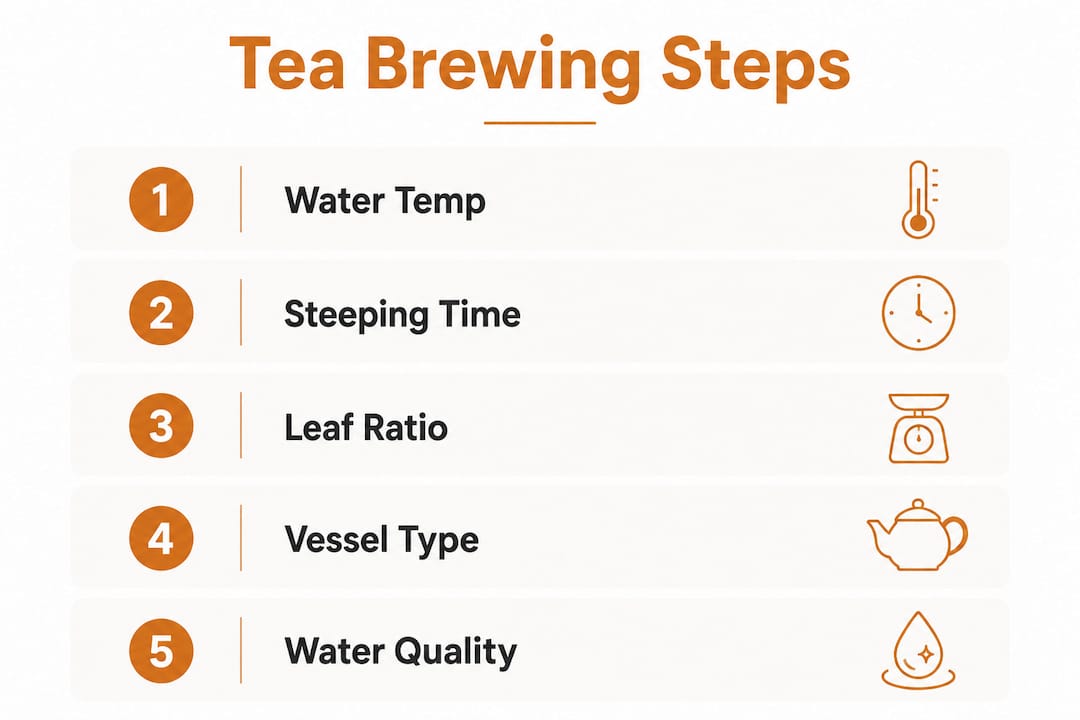
Water temperature is the single most controllable variable in brewing, and it has the biggest impact on flavor. Green teas need 70–80°C to preserve sweetness and avoid releasing bitter compounds. Black and pu-erh teas need 95–100°C for full extraction of their malty, earthy depth. Using boiling water on a delicate green tea scorches the leaf and produces a harsh, astringent cup.
Here is a practical temperature guide by tea type:
- White tea: 75–85°C. Gentle heat preserves its delicate floral notes.
- Green tea: 70–80°C. Lower temperatures keep the cup sweet and vegetal, not bitter.
- High mountain oolong: 90–95°C. Taiwan-grown high mountain oolongs specifically perform best at this range.
- Black tea: 95–100°C. Full boil extracts the bold, malty character.
- Pu-erh: 95–100°C. Aged pu-erh benefits from a quick rinse at full boil before the first real steep.
- Herbal infusions: 95–100°C. Most roots and flowers need full heat to release their compounds.
Steeping time matters just as much as temperature. Starting with 30-second steeps and tasting before adding more time prevents over-extraction and bitterness. Adding time in small increments gives you control. Beginning with a three-minute steep and hoping for the best is a common mistake that produces a bitter, one-note cup.
Tea-to-water ratio also shapes the experience. Standard ratios vary by brewing style: 1g of leaf per 50ml of water works well for a gaiwan, 1g per 30ml for gongfu brewing, and 1g per 100ml for cold brew. Increasing the leaf amount builds strength more effectively than extending steep time, and without the bitterness that long steeping creates.
| Brewing style | Ratio | Vessel | Best for |
|---|---|---|---|
| Western | 1g : 100ml | Teapot or mug | Casual daily drinking |
| Gaiwan | 1g : 50ml | Gaiwan | Exploring flavor layers |
| Gongfu | 1g : 30ml | Small teapot | Multiple short infusions |
| Cold brew | 1g : 100ml | Jar, refrigerated | Sweeter, lower caffeine |
Cold brewing deserves special mention. Cold brew extracts about 30% the caffeine of hot brewing and produces a noticeably sweeter result. It is an excellent method for green teas and oolongs when you want flavor without the stimulant effect.
Water quality also affects the final cup. Filtered water with 50–150 ppm TDS and a neutral pH produces the clearest extraction. Hard water minerals can form a film on the surface and dull the flavor.
Pro Tip: No thermometer? Bring water to a full boil, then let it sit for two minutes for green tea or one minute for oolong. That drops the temperature to roughly the right range without any equipment.
How to align your tea selection with your taste and occasion
The fastest way to identify your flavor preferences is to borrow the language of wine and fruit. If you enjoy dry red wine, you likely appreciate the astringency and body of a strong black tea. If you prefer crisp white wine or green apple, a Japanese green tea or a light oolong will probably suit you. This analogy is not perfect, but it gives you a starting point without needing to taste every category blind.
Consider these factors when choosing a tea for a specific occasion:
- Caffeine needs: black tea and pu-erh for high energy, green tea for moderate focus, herbal infusions for evenings or caffeine sensitivity.
- Time of day: a bold black tea in the morning, a floral oolong in the afternoon, a chamomile or rooibos blend at night.
- Food pairing: malty black teas pair well with milk and baked goods; grassy green teas complement light fish or salads; earthy pu-erh cuts through rich, fatty foods.
- Mood: roasted teas like hojicha powder are grounding and low in caffeine, making them ideal when you want warmth without stimulation.
Build your collection gradually. Start with two or three teas that represent different oxidation levels, such as a green, an oolong, and a black. Brew each one multiple times using different temperatures and ratios. You will learn more from ten careful cups than from buying twenty teas and sampling each once.
Pro Tip: When buying tea online, look for vendors who list the harvest region, processing method, and harvest date. That level of transparency signals quality and lets you trace what you liked back to its source.
Purchasing decisions come down to clarity. Clear ingredient lists, named origins, and honest descriptions of flavor are signs of a trustworthy vendor. Vague labels like “premium blend” with no further detail are a warning sign. Tri Crow Coffee, for example, lists specific tea types and flavor notes for each product, which makes it straightforward to match a tea to your preferences before you buy.
Key takeaways
Selecting tea well means matching leaf quality, oxidation level, and brewing parameters to your specific taste and occasion.
| Point | Details |
|---|---|
| Oxidation defines flavor | White and green teas are light and fresh; black and pu-erh are bold and earthy. |
| Whole leaves signal quality | Intact leaves produce more complex, less bitter cups than dust or broken fragments. |
| Temperature controls bitterness | Green teas need 70–80°C; black and pu-erh need 95–100°C for best results. |
| Start with short steeps | Begin at 30 seconds and add time incrementally to avoid over-extraction. |
| Describe flavors precisely | Using terms like “floral” or “vegetal” helps you identify and repeat what you enjoy. |
What I have learned from years of tasting tea
Most people approach tea selection the way they approach a restaurant menu: they pick something familiar and stick with it. That habit is comfortable, but it keeps you from discovering what you actually prefer.
The shift that changed my approach was learning to describe what I tasted instead of just deciding whether I liked it. Saying “this has a grassy, slightly bitter finish” is more useful than “this is okay.” That specific language lets you adjust. You can lower the temperature, shorten the steep, or try a different region. Without the description, you just know you are not satisfied.
The other mistake I see constantly is buying too many teas at once. A collection of fifteen teas sounds exciting, but it means you never brew any single tea enough times to understand it. Three teas brewed carefully and repeatedly will teach you more about your palate than a full shelf of novelties.
Patience with brewing is also underrated. The science of tea steeping shows that small variables, like water mineral content and steep timing, produce measurable differences in flavor. Most casual drinkers never experiment with these variables because they assume the tea itself is the only factor. It is not. The same leaf brewed at 75°C versus 90°C tastes like two different teas.
Start simple. Brew with attention. Describe what you taste. The rest follows naturally.
— David
Teas worth trying from Tri Crow Coffee
Putting these selection principles into practice is easier when the teas themselves are well-sourced and clearly described.
Tri Crow Coffee offers three teas that cover a useful range of flavor profiles. The premium matcha is a small-batch, stone-ground loose leaf option that rewards careful temperature control and rewards the kind of attention this guide describes. The Earl Grey with bergamot oil is a Ceylon OP black tea with blue cornflowers, a classic entry point for anyone building toward bolder, more aromatic flavors. For something grounding and low in caffeine, the fine stone-milled hojicha powder offers a roasted, earthy character that suits evening brewing. Each product page lists flavor notes and brewing guidance, so you can apply what you have learned here before your first cup.
FAQ
What is the best tea for a beginner?
A lightly oxidized oolong or a classic black tea like Earl Grey gives beginners a clear, recognizable flavor without the bitterness risk of poorly brewed green tea. Both are forgiving across a range of temperatures and steep times.
How do I choose tea leaves over tea bags?
Whole loose leaf tea produces a more complex, less bitter cup because the leaves have room to expand and release flavor compounds gradually. Tea bags typically contain broken leaves or dust, which extract faster and often taste flat or harsh.
What water temperature should I use for green tea?
Green tea brews best at 70–80°C. Higher temperatures scorch the leaf and release bitter compounds that mask the natural sweetness.
How do I know if a tea is high quality?
Look for whole leaves, a clean and type-appropriate dry aroma, and a lingering sweetness after swallowing. High-quality teas produce huigan, a returning sweetness at the back of the throat, lasting 30 or more seconds.
What does cold brewing do to tea flavor?
Cold brewing extracts roughly 30% of the caffeine that hot brewing does and produces a noticeably sweeter, smoother cup. It works especially well with green teas and oolongs.