
Choosing a coffee drink should feel like more than a transaction. For those who approach their morning cup as a moment of intention, the variety you reach for carries real weight. It shapes your mood, your pace, and your relationship with the craft behind the cup. But with so many options available and so many brands claiming sustainability and quality, making a genuinely thoughtful choice can feel overwhelming. This article walks you through how to evaluate, compare, and select coffee drink varieties that align with your taste, your preparation ritual, and your values.
Table of Contents
-
Essential coffee drink varieties every enthusiast should know
-
Comparison table: Key differences between popular coffee drinks
-
A ritualistic take: Why your coffee variety matters more than you think
Key Takeaways
| Point | Details |
|---|---|
| Selection impacts ritual | Choosing the right coffee drink can enhance both your daily routine and enjoyment. |
| Transparency beats slogans | Look for proof of ethical sourcing rather than relying on marketing terms. |
| Preparation changes flavor | Factors like brew ratio and milk temperature directly influence taste and experience. |
| Side-by-side comparison helps | Viewing drinks in a table makes it easier to select what best fits your ritual and values. |
How to evaluate coffee drink varieties for your ritual
Now that we’ve established why thoughtful selection matters, let’s start with the essential criteria.
Choosing a coffee drink variety isn’t just about what tastes good in the moment. It’s about finding something that fits the rhythm of your day, the tools you have at home, and the ethical standards you hold. Most people default to habit, but a more intentional approach starts with a few core questions.
Key criteria to consider:
-
Flavor profile: Are you drawn to fruity and bright, nutty and warm, deeply chocolatey, or floral and delicate? Knowing your preference helps narrow the field quickly.
-
Preparation method: Manual brewing, espresso machines, cold brew immersion, and milk-based drinks all require different equipment, time, and skill. Your ritual should feel sustainable, not stressful.
-
Sourcing transparency: Does the roaster share where the beans come from, how farmers are compensated, and what certifications back their claims?
-
Extraction precision: For espresso-based drinks, small changes in technique produce dramatically different results.
-
Ethical integrity: Beyond labels and slogans, what proof exists that the coffee supports the communities and ecosystems it comes from?
On the topic of extraction, precision really does matter. A 1:2 espresso ratio (18g in, 36g out, pulled in 25 to 30 seconds) is the widely referenced specialty baseline for repeatable, balanced espresso. Pulling shorter produces a ristretto-style intensity; pulling longer creates a lungo with more dilution and bitterness. Understanding this gives you real control over your cup.
The ethics side is where things get more complicated. A sharp critique worth knowing: the myth of differentiation in coffee argues that sourcing lots can overlap between roasters, and that “moral segmentation” often frames sustainability claims in strategic rather than substantive ways. In other words, ethical marketing isn’t always ethical practice. Look for roasters who publish farm names, share direct trade agreements, or provide verifiable impact data rather than vague promises.
If you’re exploring lower-effort options that still deliver quality, cold brew coffee is worth your attention. It’s forgiving in preparation and can highlight natural sweetness in a bean without requiring espresso-level precision.
Pro Tip: Before committing to a new variety, ask yourself: “Will I still enjoy making this in six months?” A ritual that’s too complicated to maintain consistently is one you’ll abandon.
Essential coffee drink varieties every enthusiast should know
With your criteria in mind, here’s a closer look at the defining varieties you’ll encounter and what makes each special.
Each coffee drink type carries its own sensory identity and ritual energy. Understanding the core differences helps you choose with confidence rather than defaulting to familiarity.
Espresso is the foundation of most café drinks. Concentrated, intense, and quick to prepare, it’s the choice for those who want clarity and power in a small serving. Pulled correctly, it produces a layered cup with crema on top and a balance of sweetness, acidity, and body.
Cappuccino is built on equal thirds: espresso, steamed milk, and milk foam. The foam creates a lighter, airier texture that changes how the espresso’s intensity is perceived. It’s a morning ritual drink for many, offering warmth and structure without the heaviness of a latte.
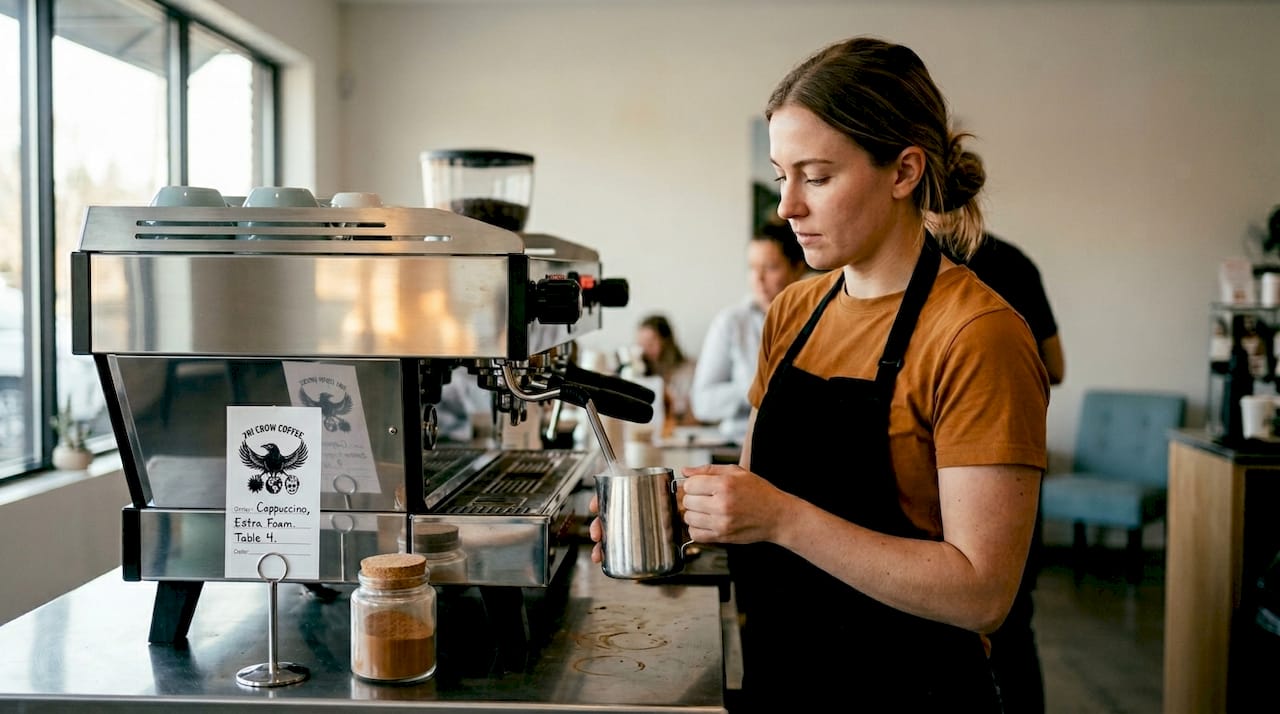
Latte uses more steamed milk and less foam, creating a creamier, more mellow experience. It’s ideal for those who want the flavor of espresso softened into something approachable and comforting.
Macchiato is where things get interesting. The distinction between a caffe macchiato (espresso “stained” with a small amount of milk) and a latte macchiato (milk “stained” by espresso poured in after) flips the base entirely, changing flavor balance and the order of sensory experience. Knowing which you’re ordering or making matters more than most people realize.
Cold brew is slow-steeped in cold water for 12 to 24 hours, producing a smooth, low-acid concentrate that can be served straight, over ice, or with milk. It’s a ritual for warmer months or for those who want something that can be made in advance and ready when they are.
Filter coffee (also called pour-over or drip) is the meditative option. The process itself is the ritual: grinding, blooming, pouring in slow circles. It rewards attention and produces a clean, nuanced cup that highlights origin flavors beautifully.
“The ritual isn’t just what’s in the cup. It’s the attention you bring to making it. Every choice, from grind size to pour speed, is a small act of intention.”
Milk temperature deserves its own mention here. Baristas are increasingly treating milk temperature as a primary variable rather than an afterthought, because even modest changes in steaming temperature can measurably shift perceived sweetness and mouthfeel. Milk steamed to around 140°F tends to taste sweeter and silkier than milk pushed to 160°F, which can taste flat or slightly scalded.
For those who want the ritual without the equipment investment, instant coffee options have evolved significantly, and for those curious about functional benefits alongside their morning cup, mushroom coffee blends offer an earthy, grounding alternative worth exploring.
Pro Tip: When making milk drinks at home, use a thermometer until you can reliably judge temperature by touch. Consistency in milk temperature is one of the fastest ways to improve your home ritual.
Comparison table: Key differences between popular coffee drinks
To see how these coffee drinks compare at a glance, reference the table below.
| Coffee drink | Base component | Milk element | Extraction style | Strength | Best ritual fit | Sustainability notes |
|---|---|---|---|---|---|---|
| Espresso | Concentrated shot | None | Pressure, 25-30s | Very high | Quick, focused morning | Depends on bean sourcing |
| Cappuccino | Espresso | Equal foam and steamed milk | Pressure-based | Medium-high | Structured morning ritual | Milk sourcing matters too |
| Latte | Espresso | Mostly steamed milk, light foam | Pressure-based | Medium | Slow, social mornings | Oat/plant milk reduces footprint |
| Caffe macchiato | Espresso | Dash of milk or foam | Pressure-based | High | Quick afternoon reset | Minimal milk impact |
| Cold brew | Coarse ground, cold-steeped | Optional | Immersion, 12-24h | Medium-high | Warm weather, prep-ahead ritual | Low energy use in brewing |
| Filter/pour-over | Medium grind, hot water | None typically | Gravity/manual pour | Medium | Mindful, meditative mornings | Reusable filters reduce waste |
The 1:2 espresso ratio underpins espresso, cappuccino, latte, and macchiato. Getting that foundation right makes every milk drink better by default. For cold brew and filter, the ratio shifts entirely: cold brew typically uses a 1:4 to 1:8 coffee-to-water ratio depending on whether you want a concentrate or a ready-to-drink brew.
Sustainability potential varies by drink, but it also varies by roaster. Choosing a single-origin bean with documented sourcing for any of these preparations elevates both the flavor and the ethical weight of the choice. Exploring flavored coffee sample packs is a practical way to compare profiles across varieties before committing to a full bag.
Choosing the right coffee for your values and daily routine
Beyond taste and style, the coffee variety you pick can reinforce your approach to sustainability and ritual. Here’s how to choose wisely.
Aligning your coffee choice with your values isn’t complicated, but it does require a bit of intentionality. The following steps make it practical.
-
Map your ritual moments. Identify when and how you drink coffee throughout the day. A rushed weekday morning calls for something quick and reliable. A slow Sunday afternoon invites a pour-over or a cold brew with time to appreciate it. Different moments deserve different drinks.
-
Define your flavor anchors. Write down two or three flavor words that describe what you love most in a cup. Chocolatey and smooth? Bright and fruity? These anchors help you filter options quickly and avoid being swayed by packaging or marketing language.
-
Investigate sourcing claims. When a roaster claims ethical sourcing, look for specifics: the country and region of origin, the farm or cooperative name, the trade relationship (direct trade, fair trade, or relationship-based), and any certifications. As the myth of differentiation points out, vague moral framing is common in specialty coffee, and consumers deserve more than slogans.
-
Match the drink to your equipment. There’s no point falling in love with espresso if you don’t own a machine. Cold brew requires only a jar and patience. Filter coffee needs a kettle and a dripper. Choose a variety that works with what you have or what you’re genuinely willing to invest in.
-
Experiment with functional additions. If you’re interested in more than just caffeine, coffee with mushrooms blends offer a grounding, earthy profile that adds a new dimension to the morning ritual without straying far from familiar coffee flavor.
-
Revisit seasonally. Your relationship with coffee can and should evolve. A specialty cold brew that feels perfect in July might give way to a warming, spiced latte ritual in November. Letting your choices shift with the seasons keeps the ritual fresh and intentional.
Pro Tip: Keep a simple coffee journal for two weeks. Note the drink, the preparation method, the time of day, and how it made you feel. Patterns emerge quickly, and they tell you more about your ideal ritual than any quiz or recommendation algorithm.
A ritualistic take: Why your coffee variety matters more than you think
With practical insights in hand, consider a broader philosophy on what your choice of coffee variety really conveys.
Here’s something the coffee industry rarely says plainly: the variety you choose is a statement about who you are and what you believe your time is worth. Not in a pretentious way. In a deeply personal one.
When you spend time learning the difference between a latte macchiato and a caffe macchiato, you’re not just becoming a better coffee drinker. You’re practicing the habit of paying attention. And that habit, applied consistently, changes how you move through your entire day. The cup becomes a training ground for presence.
Most people treat their morning coffee as a backdrop. Something that happens while they check their phone or rush out the door. But the enthusiasts who find the most satisfaction in their ritual are the ones who treat the preparation itself as the point. The grinding, the blooming, the pouring. These aren’t inconveniences to minimize. They’re the ritual.
There’s also a community dimension that gets overlooked. When you choose an ethically sourced variety and actually verify the sourcing, you’re participating in a supply chain that can support farmers, preserve growing regions, and fund better practices. That’s not abstract. That’s a real choice with real consequences. The coffee in your cup traveled from a specific place, grown by specific people. Honoring that with attention and intentionality is one of the most direct ways a daily habit can carry meaning.
We believe that exploring cold brew or a new single-origin filter roast isn’t just about novelty. It’s about staying curious and staying connected to the craft. The best rituals evolve. They absorb new information, new flavors, and new understanding without losing their grounding.
The uncomfortable truth is that most people never fully experience the coffee they drink because they’re not really present for it. Choosing your variety with intention is the first step toward actually tasting what’s in your cup.
Experience premium, ethically sourced coffee varieties
Ready to enhance your daily coffee ritual? Discover options that align with your sustainable values and taste for premium quality.
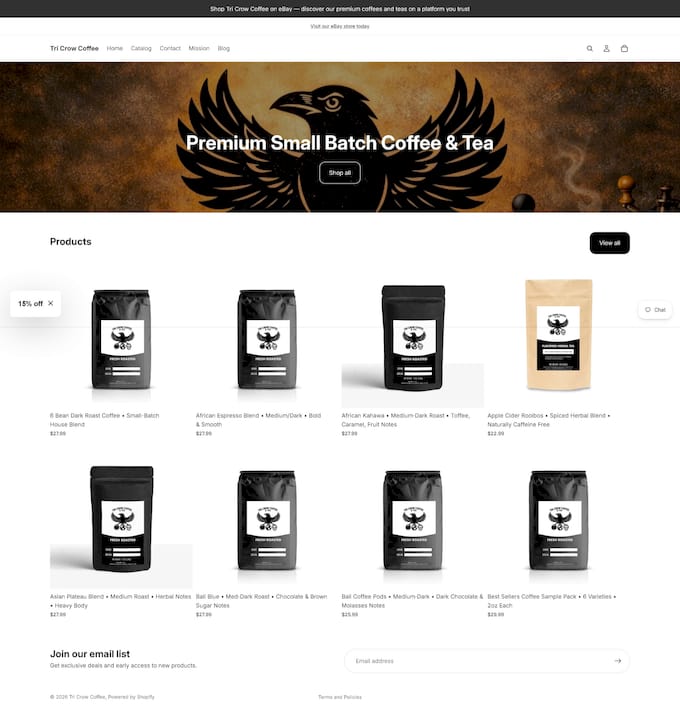
At Tri Crow Coffee, every blend is roasted in small batches to protect freshness and honor the story behind each bean. If you’re curious about functional morning rituals, our coffee with mushrooms medium roast offers earthy depth alongside clean, grounding energy. Not sure where your palate lands? Our flavored coffee sample pack lets you explore multiple profiles before committing to a full bag. And for those who want a smooth, low-acid ritual ready whenever they are, you can order cold brew crafted from ethically sourced beans with full sourcing transparency. Every cup is designed to feel less like a product and more like a practice.
Frequently asked questions
What’s the main difference between espresso, cappuccino, and latte?
Espresso is a concentrated shot pulled under pressure, a cappuccino layers equal parts espresso, steamed milk, and foam, while a latte uses more steamed milk and less foam for a creamier, milder result. Understanding the dose-to-yield ratio behind espresso helps you appreciate why each drink tastes the way it does.
Are marketed “ethical” coffees always more sustainable?
Not always. The myth of differentiation in coffee shows that sourcing claims can be strategically framed, so always look for verifiable proof like farm names, trade agreements, or third-party certifications rather than relying on marketing language alone.
Does milk temperature really affect coffee taste?
Yes, significantly. Baristas focusing on milk temperature have found that small changes can noticeably shift perceived sweetness and texture, with lower steaming temperatures generally producing a silkier, sweeter result.
Is cold brew a sustainable choice?
Cold brew can absolutely be a sustainable choice, especially because the brewing process uses no heat and therefore less energy. The key is sourcing: look for cold brew made with beans that have clear, verifiable origin information and ethical trade relationships.
Do mushroom coffees taste different from traditional varieties?
Mushroom coffees typically carry earthy, slightly woodsy undertones that complement rather than overpower the coffee base. They offer a grounding flavor profile alongside functional benefits, making them a compelling option for those who want their ritual to do more than just caffeinate.