
TL;DR:
- Proper coffee shop etiquette involves being prepared, respectful, and considerate of shared spaces. Simple actions like ordering clearly, tipping fairly, and managing your time help maintain a friendly environment. Treat baristas with kindness and follow community-friendly habits to support local café culture.
Coffee shop etiquette is defined as the set of shared behaviors that make café spaces enjoyable for patrons, baristas, and the broader community. These norms cover everything from how you order to how long you occupy a table. Getting them right matters more than most people realize. Local coffee shops function as third spaces where personal interaction builds community, and simple manners are the foundation of that experience. Whether you visit daily or occasionally, these coffee shop etiquette tips will help you show up as a considerate guest every time.
1. Coffee shop etiquette tips start with how you order
Ordering well is the single most impactful thing you can do for café flow. Baristas value clear, concise orders that specify size, milk type, and any modifications upfront. Unclear or hesitant ordering disrupts the rhythm of the line and increases wait times for everyone behind you.
Prepare your full order before you reach the counter. Know your size, your milk preference, and whether you want any sweetener. If you are unsure about a menu item, step to the side and ask a staff member rather than holding up the line.
Here are the core ordering habits that keep things moving:
- Decide before you step up. Have your full order ready, including size and milk choice.
- Put your phone away. Make eye contact with the barista and say please and thank you.
- Avoid last-minute changes. Changing your order after the barista has started making it creates unnecessary work.
- Respect mobile order zones. Do not block the pickup counter while waiting for a walk-in order.
- Keep modifications reasonable. One or two adjustments are fine; a five-part custom order during the morning rush is not.
Pro Tip: If you are a regular, memorize your go-to order and say it in one sentence. “Medium oat milk latte, no sugar” takes three seconds and earns you goodwill every time.
2. Tipping and treating baristas with respect
Tipping is one of the most debated aspects of proper coffee shop conduct, and the standard is clearer than most people think. For espresso drinks with table service, tipping $1–$2 is normal. Counter service tipping is more flexible but still encouraged because it reflects genuine appreciation for skilled labor.
The tipping debate around pre-tax versus post-tax amounts is unresolved. Tip what feels fair based on the effort involved in your order. A simple drip coffee warrants less than a hand-crafted pour-over or a complex seasonal drink.
Beyond tipping, your daily behavior with baristas shapes the entire atmosphere of the café:
- Greet your barista by name if you know it. It signals that you see them as a person, not just a service function.
- Make eye contact when ordering and when picking up your drink.
- Be patient during rush hours. A busy Saturday morning is not the moment to flag down a barista for extra napkins.
- Say thank you when your drink is handed over. It costs nothing and means a great deal.
“Being present and polite contributes to positive, long-term relationships with baristas. Personal interaction with staff builds community in ways that no loyalty app can replicate.”
Supporting local coffee roasters and the people who serve their products is part of the same ethos. When you treat baristas well, you invest in the kind of café culture worth returning to.
3. Managing your time and space in the café
How long you stay and how much space you take up are two of the most overlooked aspects of coffee shop manners. The linger-and-replenish model is the clearest standard available: if you are using the café as a workspace, make a purchase approximately every 60 minutes. A standard quick coffee visit lasts 20–40 minutes. Longer sessions require ongoing contribution to the business hosting you.

Avoid camping out at tables during busy brunch hours. Staying long after you have finished your food or drink during peak times is inconsiderate in high-traffic venues. Read the room. If people are standing with drinks and nowhere to sit, that is your signal to wrap up.
Table-holding rules that actually make sense
Table-holding etiquette differs by situation. Groups may send one person to hold a table while others order. Solo visitors should order first before claiming a seat. Placing your bag on a chair while you wait in line alone is poor etiquette, especially when the café is filling up.
| Situation | Recommended behavior |
|---|---|
| Solo visitor, café is quiet | Order first, then find a seat |
| Solo visitor, café is busy | Order first, keep belongings compact |
| Group of two or more | One person holds the table while others order |
| Laptop session over 60 minutes | Purchase again to follow the linger-and-replenish model |
| Peak brunch or lunch hours | Limit your stay to 20–40 minutes if possible |
Keep your belongings compact. One bag on the floor, not spread across two chairs. Manage your laptop cables so they do not create a tripping hazard near shared outlets.
Pro Tip: If you plan a long work session, choose a café that explicitly welcomes laptop users. Some cafés post signs or have designated work areas. Respecting that distinction benefits everyone.
4. Using shared resources considerately
Outlets, Wi-Fi, and condiment stations are shared resources, and how you use them signals your awareness of others. Occupy only one outlet if possible, and avoid running cables across walkways. If the Wi-Fi is slow, consider whether streaming video is appropriate when others may be trying to work.
At condiment stations, calmly asserting your space is socially acceptable. Saying “I’ll be just a minute” when someone crowds in reduces tension without creating conflict. Miss Manners confirms this approach maintains polite etiquette in shared spaces. Move through the station quickly and leave it clean for the next person.
Wi-Fi etiquette follows a simple rule: if the café provides it free, use it lightly. Downloading large files or running video calls without headphones pushes the limits of what that hospitality is meant to cover.
5. Common mistakes that disrupt the café experience
Most coffee shop behavior problems come from inattention, not bad intent. Recognizing the most frequent errors is the fastest way to correct them.
- Taking phone calls without headphones. Stepping outside for longer conversations is the considerate choice. Phone calls disrupt other patrons and are widely discouraged inside coffee shops.
- Overcomplicated custom orders during the rush. Save the seven-modifier drink for a slow Tuesday afternoon, not a packed Friday morning.
- Ignoring the queue. Cutting in line or hovering at the counter before your order is called creates friction and frustration.
- Holding a table without a purchase. Sitting down with nothing in front of you while the café fills up is one of the most common and least noticed etiquette failures.
- Leaving a mess. Wipe up spills, throw away your cup, and push in your chair when you leave. Staff should not have to clean up after a healthy adult.
- Talking loudly for extended periods. A café is a semi-public space. Keep your voice at a level that does not carry across the room.
Reading the room is a skill worth developing. Watch how other patrons behave, observe the pace of service, and adjust accordingly. A café during a slow afternoon operates very differently from the same space at 8:30 AM on a Monday.
Key takeaways
Respectful coffee shop behavior comes down to three things: being prepared, being considerate of shared space, and treating baristas as valued members of your community.
| Point | Details |
|---|---|
| Order before you reach the counter | Know your size, milk, and modifications to keep the line moving. |
| Tip fairly for skilled service | Tipping $1–$2 for espresso drinks is the standard; counter service tipping is encouraged. |
| Follow the linger-and-replenish model | Buy something every 60 minutes during long work sessions to respect the business. |
| Practice smart table-holding | Solo visitors order first; groups may hold a table while one person orders. |
| Minimize noise and mess | Step outside for calls, clean up after yourself, and keep belongings compact. |
What I have learned from years of watching café culture
The most striking thing about coffee shop etiquette is how little of it requires effort. Saying thank you, putting your phone away for 30 seconds, and knowing your order before you reach the counter. These are not burdens. They are habits that take seconds and change the entire atmosphere of a space.
I have spent a lot of time in cafés, working and observing. The patrons who get the warmest service are almost never the ones who spend the most. They are the ones who make eye contact, say hello, and treat the space like it belongs to everyone. That is because it does.
The linger-and-replenish model is one of the most practical frameworks I have encountered for workspace etiquette. It removes the guilt of a long session and replaces it with a fair exchange. You get the space and the Wi-Fi. The café gets a customer who keeps contributing. Everyone wins.
What I find most underrated is the community dimension. Local coffee shops are not just places to get caffeine. They are local community anchors that depend on patrons who show up with some awareness. When you model good behavior, you make the space better for the person sitting next to you. That is a small but real contribution to something worth protecting.
— David
Tri Crow Coffee: quality worth savoring slowly
Good café etiquette and great coffee share the same foundation: intention. When you slow down, pay attention, and treat the experience as something worth doing well, the results show up in every cup.
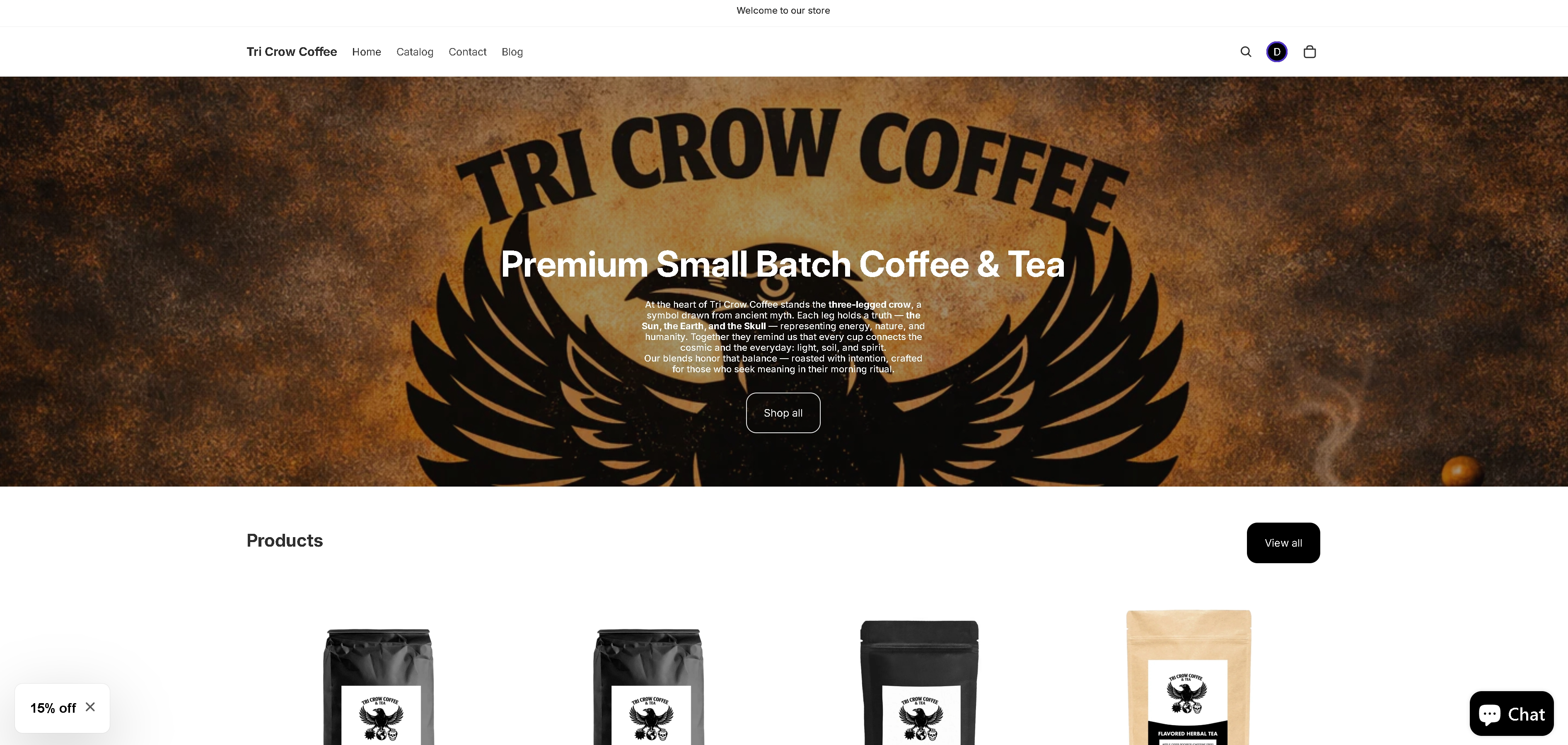
Tri Crow Coffee crafts small-batch blends and teas designed for exactly that kind of mindful moment. The Apple Cider Rooibos is a naturally caffeine-free spiced herbal blend that works beautifully as an afternoon café alternative. For a more classic experience, the artisan tea collection includes options like Earl Grey with bergamot oil and blue cornflowers, and a smooth English Breakfast built for milk. Each blend is produced in limited quantities to keep flavor and consistency exactly where they should be.
FAQ
What is the linger-and-replenish rule?
The linger-and-replenish rule means making a new purchase approximately every 60 minutes when using a café as a workspace. It ensures you are contributing to the business that is hosting you.
How much should you tip at a coffee shop?
Tipping $1–$2 for espresso drinks is the standard for counter service. Tip based on the effort and skill involved in your order rather than a fixed percentage.
Can you hold a table before ordering?
Groups can hold a table while one person orders. Solo visitors should order first before claiming a seat, especially when the café is busy.
Is it rude to take phone calls inside a coffee shop?
Yes. Phone calls without headphones disrupt other patrons. Step outside for any call that will last more than a few seconds.
How do you order politely at a coffee shop?
Have your full order ready before you reach the counter, make eye contact with the barista, and state your order clearly in one sentence. Put your phone away and say please and thank you.