
Most coffee lovers spend hours obsessing over origin, varietal, and roast level, yet the stage that arguably shapes a cup more than any other gets almost no attention at the grocery store or café counter. Coffee processing, the series of steps that transform a freshly picked cherry into a green bean ready for roasting, is the hidden architect of everything you taste, smell, and feel in your morning ritual. It also sits at the center of sustainability and producer livelihoods in ways that certifications alone can never fully capture.
Table of Contents
Key Takeaways
| Point | Details |
|---|---|
| Processing shapes flavor | The way coffee is processed dramatically impacts aroma, taste, and overall quality. |
| Climate interacts with methods | Environmental factors and processing methods together determine a coffee’s final profile. |
| Sustainability starts at the mill | Responsible processing practices matter as much as certifications for ethical and sustainable coffee. |
| Smart choices deepen connection | Understanding processing empowers you to make thoughtful, value-driven coffee purchases. |
What is coffee processing and why does it matter?
Coffee processing refers to the methods used to remove the fruit layers surrounding a coffee seed (the bean) after harvest and before the green bean is shipped for roasting. It sounds mechanical, but the choices made at this stage are among the most consequential in the entire supply chain. Think of selecting coffee beans as choosing your ingredients, and processing as deciding how to cook them. Same ingredient, radically different results.
The four main processing methods you will encounter are:
-
Washed (wet): The fruit is removed before fermentation, and the bean ferments in water or under running water. Produces clean, bright, and consistent cups.
-
Natural (dry): The whole cherry dries in the sun with the fruit intact, allowing sugars to absorb into the bean. Produces fruity, full-bodied, and sometimes wine-like cups.
-
Honey (pulped natural): The skin is removed but some or all of the sticky mucilage (fruit layer) is left on the bean during drying. The result sits between washed and natural in flavor intensity.
-
Extended/experimental methods: Anaerobic fermentation, carbonic maceration, and other controlled processes that push flavor profiles into unusual territory.
“Processing is a lever, not a hierarchy. No method is inherently superior. Each is a set of tradeoffs shaped by the environment, the farmer’s resources, and the market they serve.” — specialty coffee processing consultant
This matters because climatic variables shape volatile compounds, including solar radiation, temperature, and precipitation, which interact directly with processing choices to influence aromatic synthesis and sensory quality. A natural process that works beautifully in the dry highlands of Ethiopia may produce fermented, off-tasting defects in a humid Central American microclimate. Processing is never a universal formula. It is a dialogue between method, environment, and varietal.
How processing methods affect coffee flavor
Every sip you take carries the fingerprint of how that coffee was processed. The connection between method and flavor is not subtle. It is one of the most dramatic variables in the cup, often more impactful than the difference between two roast levels.
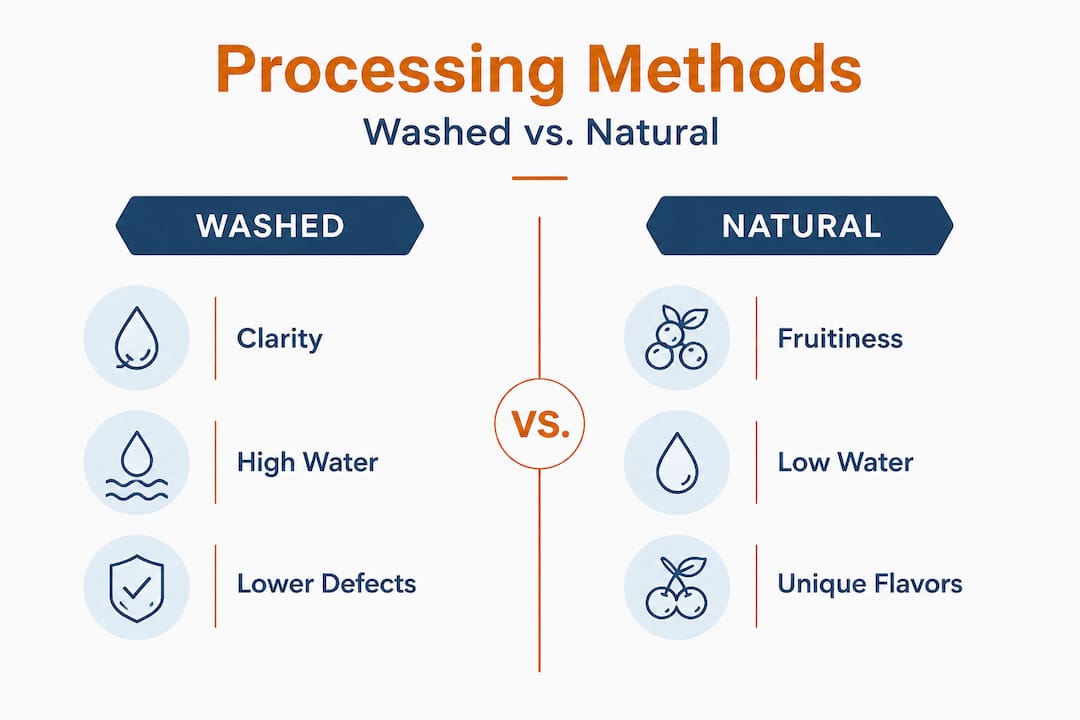
Washed processing emphasizes clarity because the fruit is removed early, allowing the bean’s intrinsic characteristics to come forward without the influence of fermenting sugars. Natural coffees, by contrast, can be intensely expressive but carry a higher risk of inconsistency because the drying fruit introduces more variables. Honey processing occupies the middle ground, offering some sweetness and body without the full unpredictability of a natural.
Here is how the three core methods compare across key dimensions:
| Attribute | Washed | Natural | Honey |
|---|---|---|---|
| Flavor clarity | High | Low to medium | Medium |
| Aroma intensity | Moderate | High | Medium to high |
| Body | Light to medium | Full | Medium to full |
| Sweetness | Restrained | Pronounced | Moderate |
| Consistency | High | Lower | Medium |
| Common defects | Grassy, sour | Fermented, musty | Uneven drying |
| Best brewing use | Pour over, filter | Espresso, French press | Versatile |
Beyond the method itself, environmental factors shape sensory outcomes in ways that are cultivar-specific. A Gesha variety processed naturally in a high-altitude, low-humidity region will express its floral and stone fruit notes with stunning precision. The same variety processed naturally in a wet, low-altitude farm may lose those notes entirely under the weight of fermentation byproducts.
A few other flavor dynamics worth knowing:
-
Fermentation time in washed processing dramatically affects acidity and brightness. Longer fermentation can add complexity or introduce off-notes depending on temperature control.
-
Drying surface and duration in natural processing affects whether you get clean fruit sweetness or fermented funkiness.
-
Mucilage percentage in honey processing (yellow, red, and black honey refer to how much mucilage remains) directly correlates with sweetness and body.
Pro Tip: When you pick up a bag of specialty coffee, look for the processing method listed alongside the origin. Roasters who include this information are giving you a roadmap to the flavor before you even open the bag. If you want to explore how processing interacts with different coffee drink varieties, start by pairing a washed Ethiopian with a pour over and a natural Brazilian with espresso. The contrast will be immediately clear.
Processing and sustainability: beyond certifications
Here is where many conversations about ethical coffee fall short. We have been trained to look for logos, Fair Trade seals, organic certifications, and Rainforest Alliance stamps. Those certifications matter, but they are not the whole story. Real sustainability often lives or dies in the processing decisions a farmer makes before the coffee ever reaches a certifying body.
“Sustainability is not only about certifications; it depends on how processing infrastructure, water handling, waste management, and defect prevention, along with farm-level decision-making, reduce risk and protect incomes. Processing competence can determine whether a lot earns premiums or is discounted due to defects.”
This is a critical insight. A defected lot is often unmarketable at specialty prices. When a farmer’s processing decisions introduce defects, the economic consequences are immediate and severe. That is not just a quality issue. It is a livelihood issue.
Here is a look at how different processing types create different sustainability challenges:
| Processing type | Water use | Waste management | Defect risk | Income impact |
|---|---|---|---|---|
| Washed | High | Wastewater runoff | Low to medium | Premium potential if clean |
| Natural | Very low | Pulp composting | Medium to high | Variable, premium or discount |
| Honey | Low to medium | Moderate mucilage | Medium | Moderate premium potential |
| Experimental | Varies | Controlled waste | Low if managed | High premium if successful |
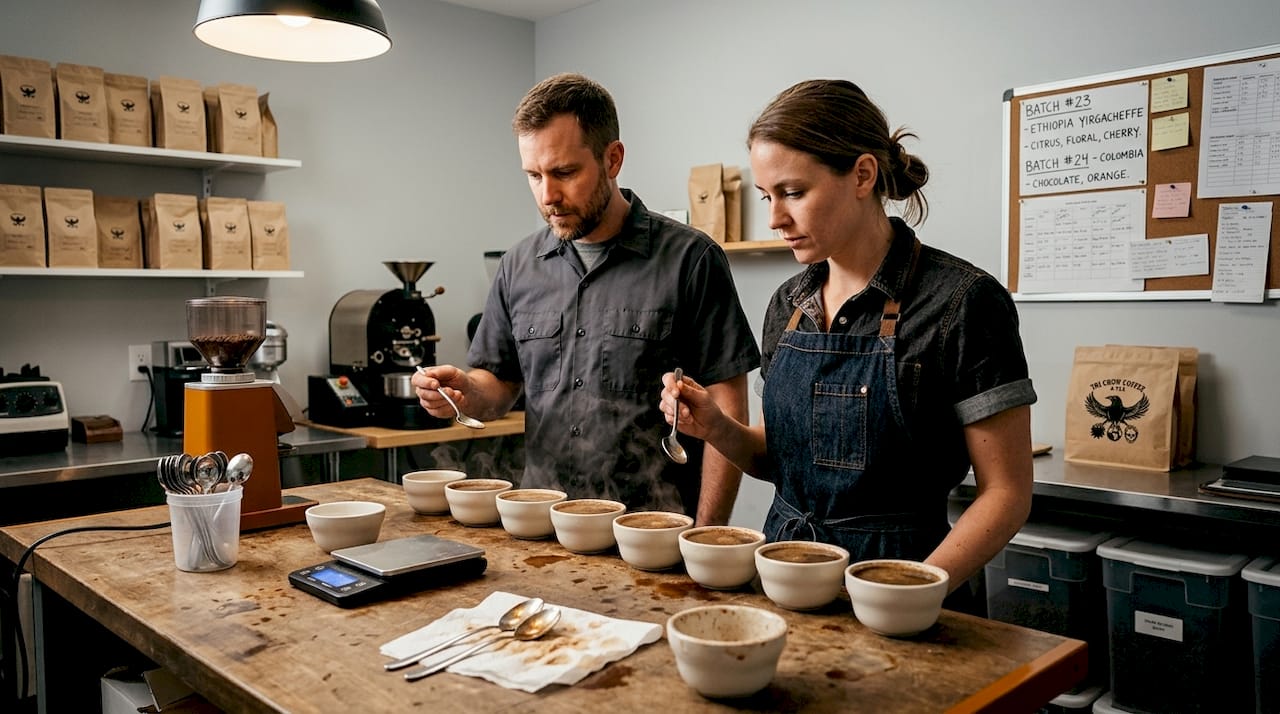
Processing method selection is often constrained by climate and seasonal variability, which means farmers do not always have free choice. A farmer in a rainy region may be forced into washed processing simply because natural drying is not viable. This is why infrastructure investment, like covered drying beds, water recycling systems, and fermentation tanks, matters so much to both quality and sustainability.
Here are practical steps farmers and cooperatives take to make processing more sustainable:
-
Install raised drying beds to improve airflow and reduce defect rates in natural and honey processing.
-
Implement water recycling systems for washed processing to reduce wastewater discharge into local waterways.
-
Use pulp as compost rather than disposing of it as waste, returning nutrients to the soil.
-
Monitor fermentation temperatures carefully to prevent over-fermentation, which creates defects and reduces lot value.
-
Invest in quality sorting at the cherry selection stage, since only ripe cherries produce consistent, defect-free results regardless of processing method.
Pro Tip: Next time you buy from a specialty roaster, ask them directly: “What do you know about how this coffee was processed, and what investments did the farm make in their processing infrastructure?” Roasters who know the answer are the ones building real coffee traceability and transparency into their supply chains.
Choosing and appreciating coffee through a processing lens
Armed with this knowledge, you are now equipped to shop, taste, and ask questions in a way that most coffee buyers never do. Reading a coffee label through a processing lens changes everything about how you engage with what is in your cup.
When you pick up a bag, look for these pieces of information:
-
Processing method: Washed, natural, honey, or experimental. This is your first flavor clue.
-
Drying method: Sun-dried, raised bed, or mechanical. This affects consistency and cleanliness.
-
Fermentation notes: Some roasters now specify fermentation time or style, especially for experimental lots.
-
Producer or cooperative name: The more specific, the more traceable the processing decisions.
Smart questions to ask your barista or roaster:
-
What processing method was used, and why was it chosen for this specific origin?
-
How does this processing method affect the flavor compared to other lots from the same region?
-
Does the farm have processing infrastructure investments you can speak to?
-
Are there other processing styles from the same producer available for comparison?
Pairing processing with brewing method is one of the most underrated ways to deepen your coffee experience. Washed coffees shine in brewing methods that emphasize clarity and acidity, like V60, Chemex, or AeroPress. Natural coffees are extraordinary in immersion methods like French press or as espresso, where their body and sweetness can fully express. Honey coffees are genuinely versatile and reward experimentation.
Sensory quality and volatile compounds are direct results of environmental and processing interactions, which means that when you taste a specific flavor note in your cup, you are tasting the outcome of real decisions made by real people in a real place. That is not a marketing claim. It is chemistry with a human face.
Pro Tip: Try ordering the same origin from two roasters who use different processing methods. The comparison will teach you more about processing in one tasting session than any article can. When you select great beans for home brewing, use processing as your primary filter, not just the roast level.
Why the real story of coffee processing is about choice and connection
Here is the perspective most coffee content misses entirely. Processing is treated as a technical subject, something for Q Graders and agronomists to debate. But at its core, processing is a human story. It is a farmer deciding whether to take the risk of a natural process for a potential premium, knowing a single rainy week could ruin the entire lot. It is a cooperative investing in raised drying beds because they believe their members deserve better income. It is a decision made under real constraints, with real consequences.
The popular idea that there is one ethical or one delicious processing method is a fantasy. Every method is a balancing act between flavor potential, environmental impact, resource availability, and economic risk. Washed processing uses significant water. Natural processing demands reliable dry weather and careful management. Honey processing requires labor-intensive monitoring. None of them are free of tradeoffs.
What we find most meaningful at Tri Crow is this: when you ask about processing, you are not just learning about flavor. You are forming a connection to the land, the season, and the specific human judgment calls that shaped your cup. That is why tracing your coffee matters so much to us. It is not about being a purist or a snob. It is about understanding that every cup carries a story, and processing is often the most honest chapter of that story.
The uncomfortable truth is that most of us, even dedicated coffee enthusiasts, are still buying based on roast color and origin country. Processing is the missing layer. When you start reading it, you start seeing the full picture.
Explore unique, ethically processed coffees with Tri Crow
If this article has sparked a new curiosity about what processing can do in the cup, we have a few places to start that conversation with your palate.
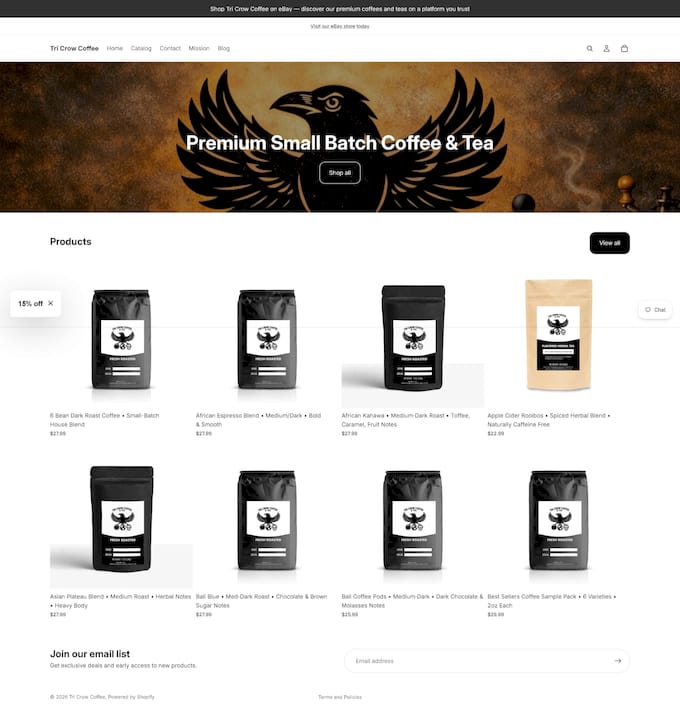
At Tri Crow Coffee, every coffee we offer comes with a story that includes how it was processed, why that method was chosen, and what it means for the flavor in your cup. Our French Roast coffee delivers the bold, full-bodied depth that comes from careful processing and precise roasting. For something genuinely unexpected, our Coffee with Mushrooms Medium Roast blends ethically sourced, thoughtfully processed beans with functional mushroom extracts for a ritual that goes beyond the ordinary. Not sure where to begin? Our Best Sellers Sample Pack lets you taste processing differences across origins in a single order.
Frequently asked questions
What’s the difference between washed and natural processed coffee?
Washed coffee has the fruit removed before fermentation, which highlights clarity and brightness, while natural coffee dries with the fruit intact, often yielding fruitier and fuller flavors but with a greater risk of inconsistency across the lot.
Does coffee processing affect how sustainable or ethical a coffee is?
Yes. Processing infrastructure and farm-level decisions around water use, waste management, and defect prevention shape sustainability in ways that certifications alone cannot capture, and poor processing directly reduces farmer income.
How do climate and origin impact coffee processing outcomes?
Climatic variables including solar radiation, temperature, and precipitation interact with processing methods to shape aromatic compound synthesis and sensory characteristics, often producing cultivar-specific results that vary dramatically by region.
Can I taste the processing method in my cup?
Absolutely. Washed coffees tend to taste cleaner and brighter, naturals taste fruitier and fuller, and honey styles land somewhere in between. Sensory quality reflects processing and environment together, so results also depend on origin conditions and the skill of the processor.
What should I ask a roaster about coffee processing?
Ask how the coffee was processed, why that method was chosen for that specific origin and season, and whether the farm has made investments in processing infrastructure. Roasters who can answer those questions in detail are the ones building genuinely transparent supply chains.
Recommended
-
How to select coffee beans for great home brewing flavor – Tri Crow Coffee
-
Why trace your coffee? The real benefits of transparency – Tri Crow Coffee
-
Explore coffee drink varieties for a richer daily ritual – Tri Crow Coffee
-
Maximize your energy: proven coffee benefits and smart rituals – Tri Crow Coffee