
A coffee morning ritual is a short, intentional pause built around brewing and drinking coffee, where sensory attention (not just caffeine) is the point. Try this four-step version tomorrow, before you check your phone.
-
Hydrate first. Drink a glass of water while the kettle heats.
-
Warm the cup. Rinse it with hot water so the first sip stays warm longer.
-
Inhale before you pour. Ten seconds with the grounds or the finished brew, nothing else.
-
Sip without multitasking. One full cup, no scrolling.
This works because your brain treats the warm cup and aroma as a conditioned cue. Repeat it a few mornings, and it starts pulling you into the present before your thoughts do.
Pro Tip: If three minutes feels impossible, cut it to one. A single mindful inhale before the first sip still breaks the autopilot pattern.
Key Takeaways
A coffee morning ritual works because sensory repetition, not caffeine alone, trains your brain to associate the cup with calm and presence.
| Point | Details |
|---|---|
| Start with a micro ritual | Four short steps, hydrate, warm the cup, inhale, sip mindfully, take under three minutes. |
| Time your first cup | Waiting 60 to 90 minutes after waking aligns better with your natural cortisol peak. |
| Keep intake moderate | Most healthy adults tolerate 3 to 5 cups a day; watch your own jitters and sleep as the real ceiling. |
| Borrow one cultural trait | Patience from Ethiopian ceremony or a protected pause from fika, not the whole tradition. |
| Match blend to goal | Tri Crow Coffee’s Tanzania Medium-Light suits slow rituals, Max Caf suits focused mornings, Peach Paradise suits caffeine-free pauses. |
Table of Contents
What Makes a Coffee Ritual Different From a Coffee Routine?
A routine is just repetition. A ritual adds intention, a sensory anchor, and often a small symbolic act, like measuring beans by hand instead of dumping a scoop in. That layer of attention is what separates “I drank coffee” from “I had a moment.”
Building your own means choosing a few core elements rather than copying someone else’s setup wholesale:
-
Time: same window each day, even if it shifts on weekends.
-
Place: one chair, one counter spot, one window view.
-
Tools: a dedicated mug or brewer you reserve for this moment.
-
Script: a fixed sequence of steps, however small.
-
Social element: solo silence, or a shared cup with a partner or roommate.
Decide your purpose before you decide your steps. Centering before a hard day, sparking creativity, sharpening focus, or connecting with someone, each purpose points to a different ritual shape. A focus-driven ritual might be brisk and solo; a connection-driven one slows down and includes another person.
How Do You Build a Coffee Ritual Step by Step?
Start small and scale only if it earns a place in your morning.
Micro ritual (2 to 3 minutes):
-
Boil water while standing still, no phone in hand.
-
Pour over pre-ground coffee or a pod, watching the bloom.
-
Hold the cup with both hands for three breaths before drinking.
Full ritual (10 to 15 minutes):
-
Grind whole beans by hand or with a burr grinder, noting the smell.
-
Heat water to just off boiling, then bloom the grounds for 30 seconds.
-
Pour slowly in circles, watching the coffee darken and settle.
-
Sit somewhere without a screen and drink the first half in silence.
-
Use the second half to jot one line in a notebook: a worry, a goal, or a gratitude.
Both versions rely on the same mechanism: rituals reinforce behavioral and neuroendocrine responses through repeated sensory cues. This way, the brain starts associating the smell and warmth with calm before you’ve had a sip.
Adapt freely. Commuters can shrink the full ritual to the pour and three breaths in the car before driving off. Parents with young kids might claim the ritual during the first five minutes before anyone else wakes up. Remote workers have the luxury of stretching it, but the trap is letting it bleed into checking email mid pour. Keep the screen out no matter the version.
Pro Tip: Pick one sensory detail (the sound of the grinder, the smell of the bloom) and treat it as your personal “start” signal. That single cue does more to anchor the ritual than the total time spent.
Should You Wait Before Your First Cup?
The often-repeated 60 to 90 minute rule has a real basis. Cortisol, your body’s natural wake-up hormone, naturally peaks in the hour or so after waking, and drinking coffee on top of that peak can blunt caffeine’s effect over time and push you toward needing more to feel the same lift. Waiting until cortisol begins to settle tends to make that first cup work better and last longer.
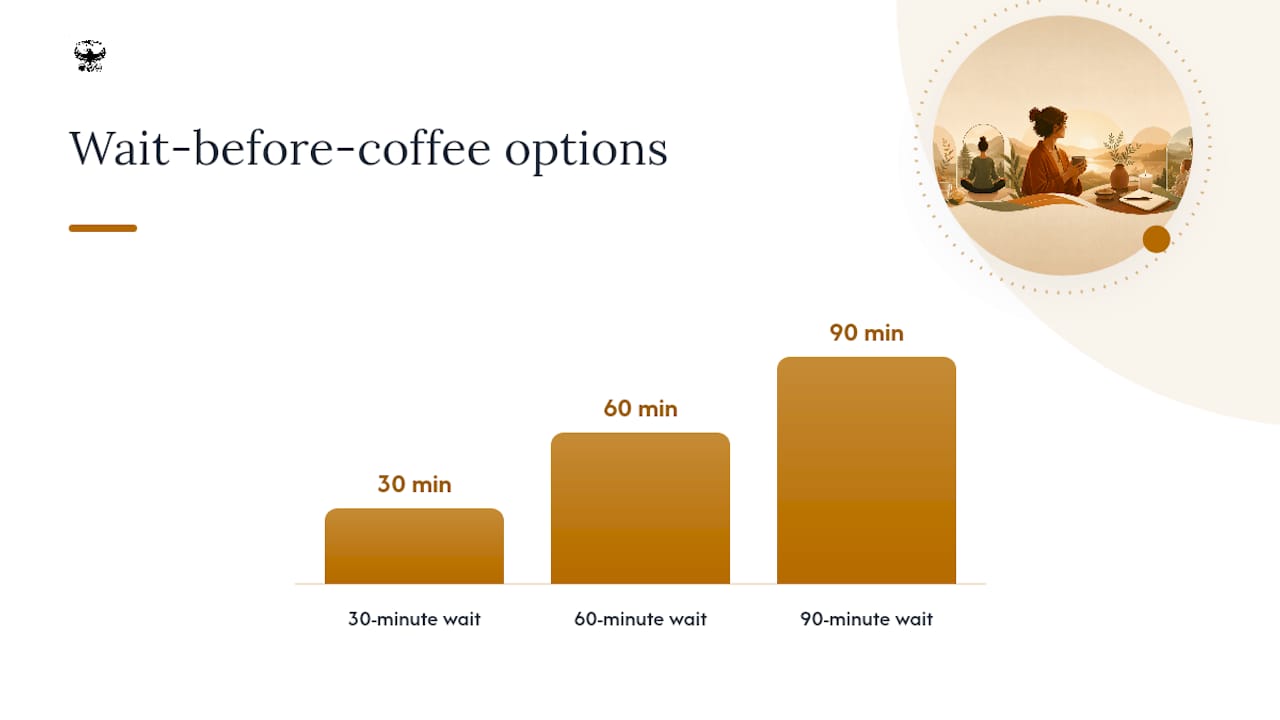
Moderation matters just as much as timing. Moderate intake, generally 3 to 5 cups a day, is linked to reduced overall mortality and lower risk of several chronic diseases in healthy adults, though a broader review notes that excess intake can trigger sleep disruption and anxiety in people who are sensitive to caffeine, and flags added caution for pregnant individuals.
Practical rules worth testing on yourself:
-
Drink water before coffee, every morning, no exceptions.
-
Experiment with a 30, 60, and 90 minute wait over a few weeks and notice which one leaves you steadiest by midmorning.
-
Watch for jitters, a racing heart, or trouble falling asleep. Those are your personal ceiling, not a number in an article.
What Can You Learn From Coffee Rituals Around the World?
Cultures that treat coffee as ceremony rather than fuel offer a shortcut to better habits, and each one boils down to a single transferable trait.
-
Ethiopian coffee ceremony: slow roasting, grinding, and three separate pours over an hour. The trait to borrow: patience as the ritual itself, not an obstacle to it.
-
Swedish fika: a scheduled, protected pause, often shared. The trait to borrow: treating the break as non-negotiable, not optional.
-
Turkish cezve brewing: close, attentive heating over low flame, watching for the foam to rise. The trait to borrow: full attention on one small physical task.
-
Italian espresso pause: quick, standing, often social at the counter. The trait to borrow: quality over quantity, even in thirty seconds.
You can read deeper into these traditions in this look at coffee rituals worldwide. None of these require importing an entire culture’s habits. Borrow the one trait that addresses what your mornings actually lack, whether that’s patience, protected time, or attention.
Which Beans, Brew Method, and Cup Actually Matter?
Roast level and grind size change more than flavor. A lighter roast tends to carry brighter, more distinct aroma notes that reward slow sniffing before the first sip, while a darker roast leans into heavier, more comforting smells that suit a faster ritual. Coarser grinds slow the brew and stretch out the ritual; finer grinds speed it up.
Drinkware plays a bigger role than most people assume. A heavier mug forces a slower, more deliberate lift to the mouth, and a wide lip changes how much aroma reaches your nose before liquid touches your tongue. Heat retention matters too: a cup that stays warm longer gives you permission to linger instead of rushing before it cools.
Match the method to the ritual length:
-
Pour-over: ideal for the full ritual, since the slow pour forces presence.
-
Aeropress: strong, full flavor in a short window, good for a moderate-length ritual.
-
Pre-ground drip or pods: best for the micro ritual, when speed matters more than ceremony.
For more brewing ideas beyond these three, this guide to coffee drink varieties is worth a look.
What If Coffee Doesn’t Agree With You?
A meaningful ritual doesn’t require caffeine or full-strength coffee. Lower-acid beans, cold brew, and decaf all keep the sensory steps intact while easing digestive strain, and drinking coffee on an empty stomach isn’t broadly harmful for most people, though sensitive individuals may feel acid-related discomfort and should adjust. Herbal options like a fruity Peach Paradise blend or a spiced Masala Chai deliver warmth and aroma without any caffeine at all.
-
Pair your cup with a small amount of protein or fat, even a few nuts, to reduce reflux risk.
-
Hydrate before your cup, always, especially if you’re prone to heartburn.
-
See a clinician if heartburn is persistent or if caffeine, even in small amounts, is interfering with sleep.
For deeper substitution options, this guide to caffeine alternatives and this breakdown of coffee for sensitive stomachs cover more ground.
Which Tri Crow Coffee Blends Fit Which Ritual?
Different goals call for different cups. A slow, sensory-focused ritual pairs naturally with Tanzania Medium-Light Coffee, brewed pour-over in a wide-lipped mug so the brighter aroma has room to open up. Mornings where energy is the actual goal call for the Max Caf Blend, a Tanzania and India robusta pairing built for a quicker, more focused ritual. For a caffeine-free version of the same slow pause, Peach Paradise Herbal Tea delivers warmth and fragrance without the stimulant. If you want variety without commitment, the 6 Bean Dark Roast works as a comforting daily default.
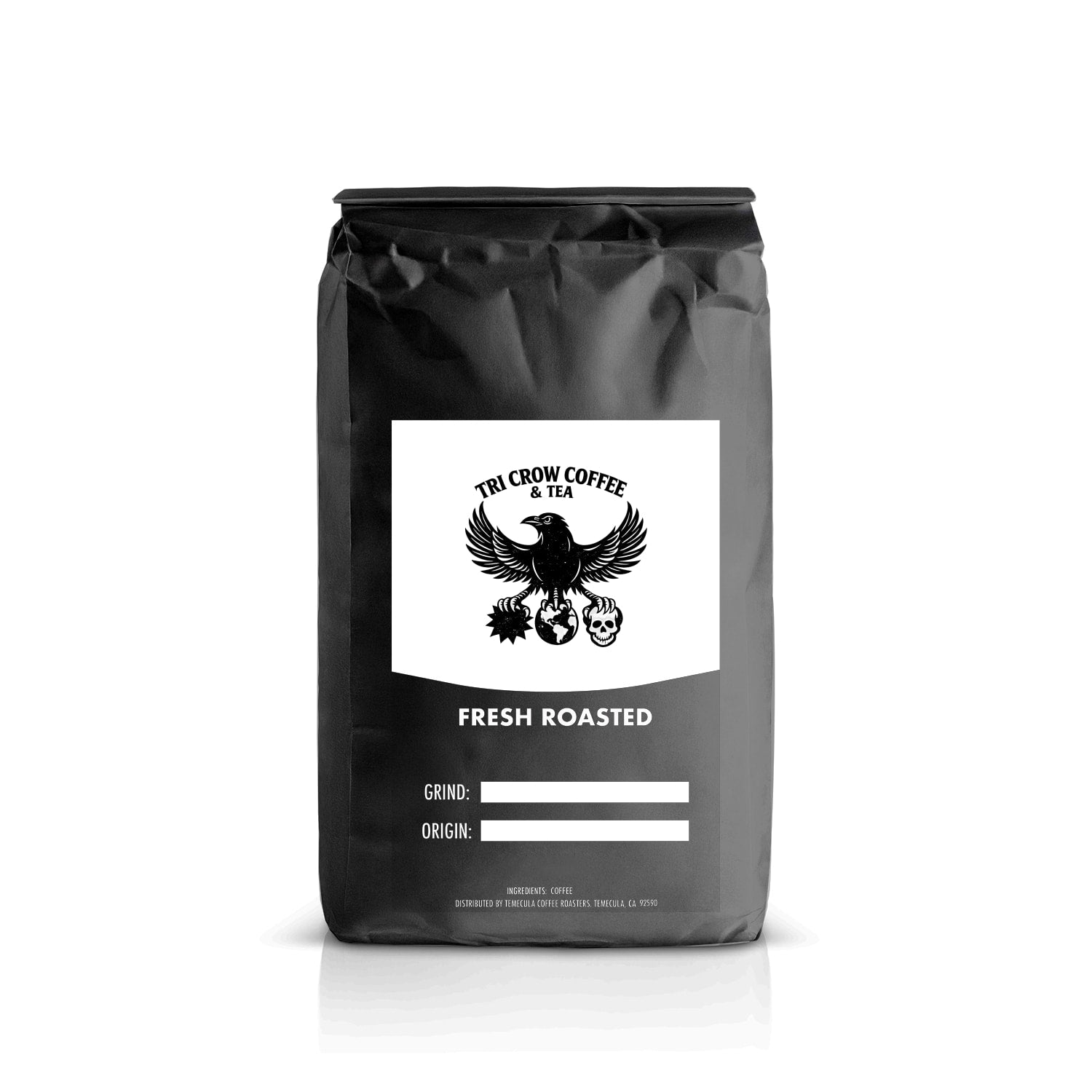
Small-batch roasting adds a storytelling layer that specialty roasters bring to a ritual: knowing a blend came from a limited batch, tied to a specific origin story, deepens the attention you bring to the cup.
Pro Tip: Keep one “ritual blend” reserved only for your morning pause, never for afternoon refills. The exclusivity itself becomes part of the cue.
How Should You Set Up Your Space for the Ritual?
Your environment does half the work before you’ve even poured. A cluttered kitchen counter or a too-bright overhead light keeps your nervous system in “task mode,” which fights against the slower, sensory attention a ritual is trying to build.
Start with lighting. Overhead fluorescents or a bright phone screen signal urgency. A single warm lamp, morning sunlight through a window, or even candlelight in darker months tells your body it’s safe to slow down. If you can, position your ritual spot near a window facing east, so early light becomes part of the cue without any extra effort.
Seating matters more than people expect. Standing at a counter while scrolling is a routine. Sitting in one dedicated chair, even a simple one by a window, turns the same coffee into a ritual because your body learns that chair means pause. Keep that seat free of laptops and mail; it should hold nothing but you and your cup.
Ambiance is the final layer, and it doesn’t require much. A short instrumental playlist, the sound of the kettle, or simply the absence of a blaring television all cue your brain that this window is different from the rest of the morning. Some people add a small plant or a candle nearby, not for aesthetics but as a fixed visual anchor that marks the start and end of the ritual.

None of this needs to cost money or take up a room. A corner of a small apartment, arranged the same way each morning, does the job as well as a dedicated nook. Consistency in the space matters more than the size or style of it.
Author note: a short example of a lived ritual
One version worth trying: pour water over grounds slowly, breathe in the bloom, and sit by a window for the first sip before anything else happens. What changes is subtle: the day starts a beat calmer. Adapt every part of it. There’s no wrong version.
— David
Start Your Own Ritual With a Curated Trio
A good starting trio removes the guesswork: one bold blend for energy, one smooth single origin for slower mornings, and one caffeine-free option for evenings or sensitive days.
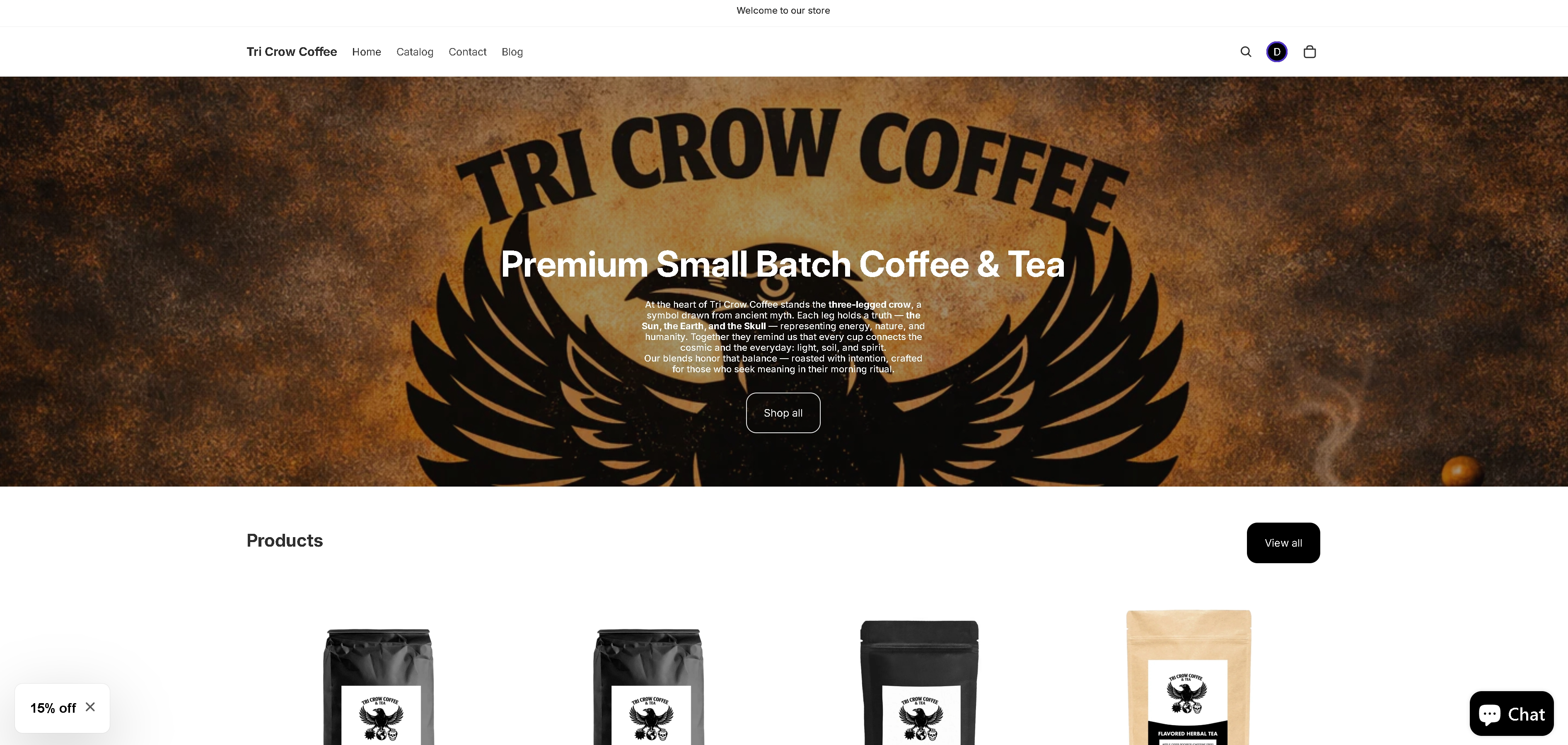
The Max Caf Blend covers high-energy mornings when focus matters most. The Tanzania Medium-Light Coffee suits a slower, sensory-first pour-over ritual. And Peach Paradise Herbal Tea gives you a caffeine-free version of the same pause, for late afternoons or days when you want the ritual without the jitters. Tri Crow Coffee roasts every batch small, which means the blend you liked last month is worth restocking before it changes.
If you’d rather sample everything before committing to one bag, the Flavored Coffee Sample Pack lets you test six varieties in 2oz portions, a low-risk way to find which flavor profile actually earns a permanent spot in your morning. Pick one blend, set your cup by the window tomorrow, and see how the first sip feels.
Sources
The MDPI Nutrients review grounds the moderation guidance in peer-reviewed evidence. Jackson Health System’s explanation of the cortisol timing rule clarifies why waiting helps some people. Stanford’s lifestyle medicine piece on coffee ritual supports the wellbeing framing throughout.
-
Coffee links to longer life — American Institute for Cancer Research
-
The Ritual of Coffee: A Lifestyle Medicine Approach to Well-being — Stanford Lifestyle Medicine
FAQ
What’s a good morning coffee ritual to start with?
A simple four-step version works well: hydrate, warm your cup, inhale the aroma for ten seconds, then drink one full cup without your phone nearby.
Is there a coffee trick for memory or focus?
No specific “trick” is backed by strong evidence, but structured, mindful coffee breaks support better focus and emotional wellbeing compared to rushed, distracted drinking.
What does drinking coffee first thing in the morning do to your body?
Coffee right after waking can blunt your natural cortisol peak over time and may lead to faster caffeine tolerance; waiting 60 to 90 minutes tends to work better for sustained energy.
How much coffee is considered safe or moderate?
Most research points to 3 to 5 cups a day as a moderate range for healthy adults, though personal tolerance, pregnancy, and sensitivity all shift that number down.
What if coffee upsets my stomach?
Try pairing your cup with a small amount of protein or fat, hydrate first, and consider a lower-acid roast or a caffeine-free herbal option like chai or a fruit-based tea instead.